The Reality of Sleeping with Debt on Your Mind
Let's be totally honest—when you are drowning in unpaid bills, every single phone ring feels like a mini heart attack. You have probably seen a hundred ads promising that "debt consolidation" will magically erase your financial stress overnight. But before you sign up for another loan to pay off your old loans, I need to share what actually works. No confusing banker talk and no fake promises. I am going to show you a simple, real-world guide to getting your bank account—and your sleep—back on track today.
Your 60-Second Action Plan:
- Stop the Bleeding: Consolidating is useless if you keep swiping your old credit cards. Put the plastic away right now.
- Find the Highest Rate: Look at your statements today and circle the debt with the highest interest percentage. That is your primary target.
- Automate Your Safety Net: Set up your bank account to automatically move just $10 or $20 into savings every payday. You need cash for sudden emergencies, not credit.
- Call Your Lenders: If you cannot make a payment, call the bank before the due date. They often have secret hardship programs they do not advertise online.
Why We Believe the Wrong Things About Debt
There is a lot of noise out there when it comes to managing loans and fixing credit. Many people assume that debt consolidation is a magic wand that makes all their problems disappear overnight. This is the first myth we need to destroy because it creates a false sense of security that leads to bigger issues later. Consolidation is a tool, not a cure; if you do not change the habits that got you into debt, you will likely end up back where you started. People often fear that seeking professional help will permanently destroy their credit score, which stops them from getting the guidance they need.
The truth is that proactive communication with creditors is often the first step toward rebuilding. Many believe that you need a huge lump sum of cash to begin any sort of recovery plan, but that is simply not the case. Small, consistent actions are what actually move the needle in the long run. By holding onto these misconceptions, we keep ourselves stuck in a cycle of stress that serves no one. Financial recovery is a process of unlearning bad habits and replacing them with systems that work for your actual budget.
Debt Consolidation: Myth vs. Reality
- The Myth: Consolidating my debt means my debt is completely gone.
- The Reality: Your debt simply moved to a new home. If you owed $10,000 across four credit cards, you now owe $10,000 to one single lender.
- The Bottom Line: Consolidation only saves you money if the new interest rate is significantly lower than your old ones. Do the math before you sign!
Smart Steps Toward Financial Reclaiming
Instead of looking for a quick fix, you need to focus on a sustainable strategy that fits your life. Start by gathering every single document related to your debts and laying them out in front of you. This is uncomfortable, but it is the only way to get a real picture of your financial health. Once you see the numbers, you can begin to prioritize which debts to tackle first based on interest rates rather than just emotion.

Creating Your Personal Action Plan
- List Every Debt: Write down the balance, the interest rate, and the minimum monthly payment for every account.
- Audit Your Spending: Look at the last three months of your bank statements to see where your money is actually going.
- Set Realistic Goals: Aim for small, achievable milestones, like paying off the smallest balance first to build momentum.
- Communicate Early: If you are struggling, reach out to your lenders to discuss potential options before you miss a payment.
When I first started this, I made the mistake of thinking I could do it all perfectly on day one. I set a budget that was so strict I could barely buy groceries, and within two weeks, I broke it and felt even worse. My real progress didn't start until I accepted that flexibility is part of the plan. I learned that if I had an unexpected expense, I didn't have to quit my whole plan; I just had to adjust and get back on track the next day. This realization changed my entire outlook and allowed me to stop beating myself up for every little setback.
The Power of Consistent Habits
YouTube Video Recommendation
To better understand how to manage your credit and debt effectively, watch this breakdown of how to build a budget that actually works for your lifestyle.
After watching that, you will see why tracking your spending is the secret to staying on top of your financial goals. You do not need to be a math genius to fix your credit; you just need to be a consistent communicator with your own budget. When you know where every dollar goes, you stop wondering why the end of the month feels so tight. Consistency is the difference between feeling like a victim of your circumstances and becoming the owner of your future.
Breaking the Cycle of High Interest
Many people believe that debt consolidation will immediately lower their monthly burden without any effort on their part. The reality is that if you do not address the high-interest rates through a structured plan, you are just moving the debt around rather than removing it. You should look for options that consolidate your debt into a single payment with a lower interest rate, which helps you pay off the principal balance faster. This is not about cheating the system; it is about using the system to your advantage to save money on interest charges.
When you simplify your payments, you reduce the risk of missing a due date, which is one of the biggest factors that hurts your credit score. Think of it like cleaning a cluttered room; you can't organize until you have everything in one place. Once you have a single, manageable payment, you can focus your extra cash on attacking the debt with the highest interest rate. This method, often called the avalanche method, is statistically the fastest way to save money and get out of debt for good.
Quick Example: Why the Avalanche Method Wins
Imagine you have two debts:
- $2,000 credit card at 24% interest.
- $5,000 car loan at 6% interest.
- Even though the car loan is bigger, the credit card is bleeding your wallet dry every single day. Attack the 24% interest card with every extra dollar you have while paying the minimum on the car. Once the card is dead, roll all that extra money toward the car.
Why Your Credit Score is More Than a Number
There is a huge misconception that your credit score is a permanent label that reflects your character. In reality, it is just a mathematical score based on your recent habits, and it can be improved with the right moves. Every time you pay on time, you are sending a signal to the credit bureaus that you are becoming more reliable. You do not need to spend money on fancy credit repair services that promise to delete your history; those are often misleading.
The most effective way to improve your score is to lower your credit utilization ratio. This means keeping your credit card balances low compared to your total limit. Even if you cannot pay off the full balance today, paying down a portion of it will help your score begin to recover. It takes patience, but as you see those numbers climb, you will feel a sense of accomplishment that fuels your motivation to keep going. Remember that this is a marathon, not a sprint, and every small step you take is a win.
Building Your Long-Term Security
As you progress, the focus must shift from simply getting out of debt to building a cushion for the future. An emergency fund is the best defense against falling back into debt when life throws you a curveball. Even if you start with just a few dollars a week, putting that money aside creates a habit of saving that is more powerful than any debt payoff plan. You are training yourself to prioritize your own security over impulsive spending.
This shift in mindset is what keeps people out of debt for the rest of their lives. When you stop looking for the easy way out and start respecting the process, you gain a sense of control that is incredibly empowering. You are no longer just a person paying bills; you are an architect building a solid foundation for your life. Keep focusing on the practical steps, stay honest with your progress, and trust that you have the ability to change your financial story starting right now. Every day is a new chance to make a better choice for your bank account and your peace of mind.
Beyond Basics: Strategies for Permanent Financial Health
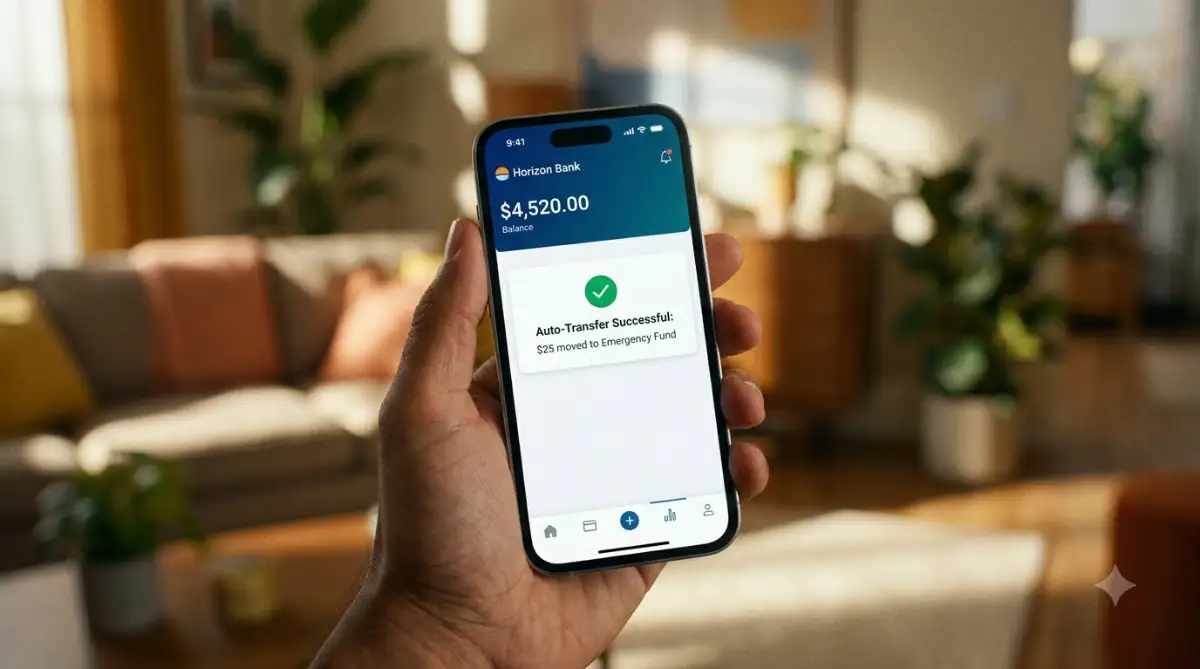
True progress happens when you stop looking for temporary relief and start building a lifestyle that supports your goals. Many people struggle because they treat debt as a math problem, but it is actually a behavioral challenge. When I finally shifted my focus toward changing how I view every dollar, the numbers began to work in my favor. One of the most effective strategies for managing personal budget is to automate your savings before you even see your paycheck. Even a tiny amount moved to a separate account creates a safety net that stops you from using credit when small emergencies arise.
Mastering Your Cash Flow
You should aim to track your expenses for at least thirty days without changing your habits. This provides a clear, honest look at your spending triggers, which is far better than any academic research on household debt could offer you. Once you identify these triggers, you can replace them with healthier routines that do not cost a thing. For example, if you realize you spend too much on convenience food, try meal prepping just two dinners a week.
It is also smart to negotiate your existing rates whenever possible. Many people are surprised to find that a simple phone call to a lender can result in a lower interest rate or a waived fee. By staying proactive, you take control of the terms of your debt rather than just accepting whatever the bank offers. This level of engagement is what separates those who stay stuck from those who successfully clear their path to financial freedom.
Sustaining Your Momentum
Staying motivated is often the hardest part of the journey. I suggest keeping a visual progress tracker, like a chart on your fridge, where you can color in a block for every milestone you hit. When you see your progress in color, it feels real and makes the sacrifices feel worth it. It is also helpful to join communities where people share their real-world debt payoff stories to remind yourself that you are not walking this path alone.
Remember that life will happen, and you might occasionally slip up and spend more than you planned. Instead of quitting, simply acknowledge the mistake and get back on your budgeting plan the very next day. Perfection is not the goal; persistence is. You are building a new habit, and like any skill, it gets easier the more you practice it.
The Invisible Traps That Stall Your Recovery
It is easy to fall into traps that feel like progress but actually keep you locked in debt. One common mistake is consolidating your debt and then immediately using your freed-up credit cards for new purchases. This effectively doubles your debt load because you still owe the consolidated amount, plus the new balance you just created. This cycle is a silent killer of financial goals, and it happens because we often confuse having "available credit" with having "extra cash."
Another major pitfall is ignoring the fine print of consolidation offers or balance transfer cards. Many people jump at the promise of a zero-percent interest period without noticing the high balance transfer fees or the massive interest hike if the debt isn't paid by a certain date. Always read the terms clearly; if a deal seems too good to be true, it almost always is. Relying on expert financial advice rather than social media hearsay can save you from these costly errors.
Neglecting your credit score during this process is another error that can hurt you for years. You might think that once you consolidate, your work is done, but your credit score requires constant attention. Missing just one payment on your new consolidation loan can undo months of hard work. Always set up automatic payments for at least the minimum amount required to keep your accounts in good standing. Avoiding these traps requires a blend of caution and patience, but the long-term payoff for your peace of mind is worth every second of extra effort.
Your Path to a Brighter Future
The journey to reclaim your finances is a series of small, intentional choices. By choosing to face your debt head-on, you are already miles ahead of those who remain in the dark. It is about more than just paying off a bill; it is about reclaiming your time and your energy. You now have the tools to look at your personal finance journey with a clear head and a steady hand.
I know exactly how heavy that burden feels, but I also know the incredible sense of relief that comes when you take the first real step. My life changed the moment I stopped hoping for a miracle and started trusting my ability to manage my own money. You have that same strength within you. Take one small step today, whether it is calling a lender or simply writing down your total debt, and watch how quickly your confidence begins to grow.
Common Questions About Debt Recovery
Is consolidation the only way to fix credit?
No, consolidation is just one tool among many. You can also improve your credit by paying your bills on time every month, lowering your credit card balances, and avoiding new debt.
How long does credit recovery take?
There is no set timeline because everyone’s situation is different. However, by staying consistent with your payments, you will usually see your credit score begin to rise within a few months of active management.
Should I pay off debt or save money first?
It is often best to keep a small emergency fund while attacking high-interest debt. This prevents you from having to use your credit cards again when life throws an unexpected expense your way.
Do I need to hire a professional?
Most people can manage their own debt recovery if they have a clear plan and enough discipline. Only look for professional help if you are overwhelmed by complex legal issues or if you are facing severe collection actions.
Disclaimer: This content is for informational purposes only and does not constitute professional financial, legal, or investment advice. Always consult with a qualified financial advisor or credit counselor before making significant decisions regarding your debt.