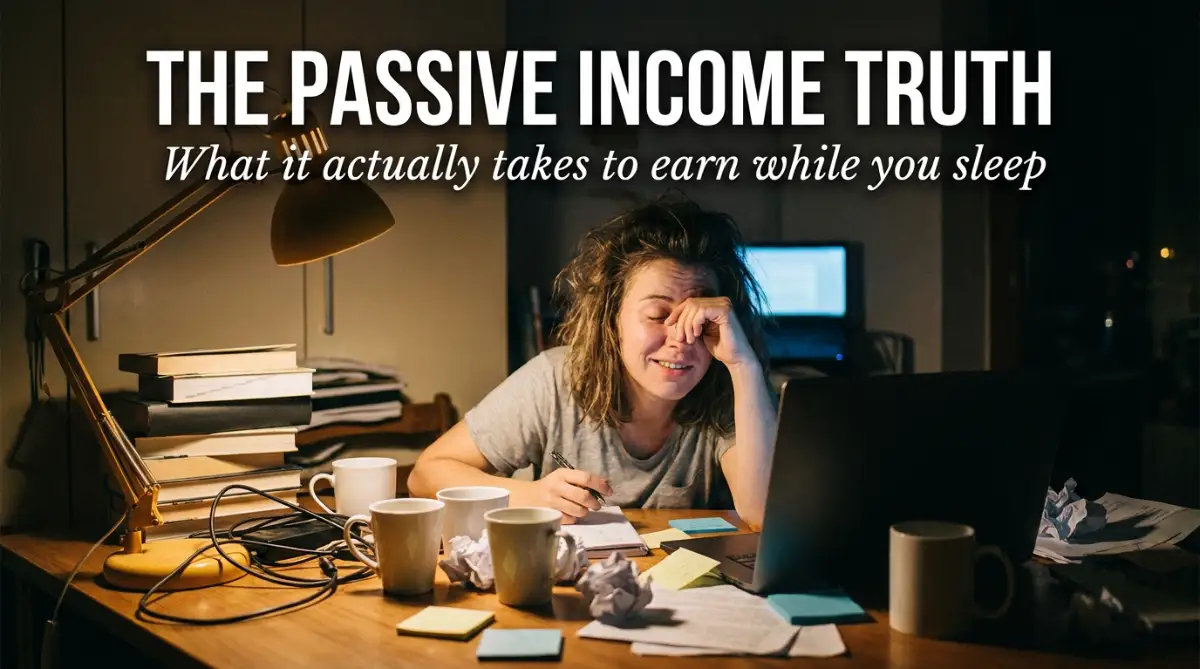
The Moment My Favorite Escape Became a Nightmare
I remember the exact moment I started hating my absolute favorite weekend activity. For years, baking artisan bread was my ultimate stress relief after a long, exhausting week at the office. Then, I decided to turn it into a side business because everyone kept telling me I could easily make money from it. Within just two months, the smell of flour and yeast actually made my stomach turn. I had successfully turned my peaceful escape into a highly stressful second job, and the burnout was completely overwhelming.
This is the exact trap millions of creative people fall into every single day. We hear the popular advice to "do what you love, and you will never work a day in your life." So, we take our knitting, photography, woodworking, or writing, and we immediately try to squeeze cash out of it. We set up online shops, take custom orders, and promise quick delivery times to strangers on the internet.
But suddenly, you are no longer just painting a canvas or baking a cake for fun. You are worrying about expensive shipping costs, angry customer emails, and complicated algorithm changes on social media. The beautiful mental peace you used to get from your hobby completely disappears into thin air. You trade your joy for a few extra dollars, and the deal rarely feels worth it.
You come home from your regular day job already tired and drained. Instead of relaxing with your craft, you stare at a massive list of pending orders that need to go out by morning. Your chest feels tight, and a heavy guilt starts eating away at you because you simply do not want to work on it. The very thing that used to cure your anxiety is now causing it.
This constant, heavy pressure destroys your mental health and slowly ruins your personal relationships. You might snap at your family members because you are staying up late trying to meet a strict deadline for a demanding customer. Your weekends are no longer your own; they belong entirely to your new side hustle. You feel trapped in a cage that you built with your own two hands.
It feels like a massive betrayal to yourself when you lose your passion. You watch other people on the internet seemingly making thousands of dollars from their hobbies while smiling constantly. You start wondering what is wrong with you and why you cannot handle the pressure like they do. But the truth is, most of them are silently burning out too, and you can absolutely fix this broken dynamic.
Understanding Why We Ruin the Things We Love
If we want to fix this massive problem, we first need to understand the science behind why it happens. Psychologists talk about something called intrinsic and extrinsic motivation. When you do a hobby just because you love it, that is intrinsic motivation. Your brain gives you happy chemicals simply for doing the activity.
The moment you introduce money, deadlines, and customer demands, everything shifts. You start doing the activity for an external reward, which is extrinsic motivation. Your brain stops seeing the task as play and immediately categorizes it as work. This sudden shift in how your brain processes the activity is the exact root cause of your creative burnout.
You do not lack energy or discipline. Your brain is simply reacting normally to a change in rules. To successfully make money from your passion, we have to trick our brains. We have to separate the "fun part" of the hobby from the "business part" of the hobby.
The Boundary Method: Protecting Your Creative Sandbox
The most effective way to keep your joy alive is to build a massive wall between your playtime and your business time. You need a dedicated space where you are allowed to create purely for yourself, with absolutely no intention of selling it. We will call this your creative sandbox.
If you love photography, you must go on photo walks where you shoot whatever you want, and those photos never go on your business website. If you are a writer, you need to write short stories that no client will ever see. You have to feed your own soul before you try to feed your bank account.
I learned this lesson the hard way. I used to try to monetize every single thing I created, thinking it was smart business. My biggest realization was that keeping 20% of my work completely secret and just for myself actually gave me the energy to sell the other 80%. You have to be selfish with a portion of your creativity to keep the fire burning.
When you sit down to work on the business side, put on a different hat. Move to a different desk or listen to a different playlist. Tell your brain, "Right now, we are operating a business." When the business hour is over, shut down the laptop and walk away. Creating strict physical and mental boundaries will save your sanity.
Evaluating Your Craft for Passive Potential
One of the biggest reasons hobbies cause burnout is the fulfillment model. If you hand-knit sweaters, every single sweater takes twenty hours of your life. If you get ten orders, you owe the internet two hundred hours of labor. This is called a direct time-for-money exchange, and it is a guaranteed one-way ticket to extreme exhaustion.
Instead, we need to look at your hobby and find the highly leveraged, passive angles. You have to stop selling the physical result of your hobby and start selling the knowledge behind it. People do not just want to buy what you make; they want to learn how you make it.
Watch this brilliant breakdown on how to shift your mindset from selling physical labor to selling digital knowledge.
Think about the baker. Instead of baking one hundred custom cakes for stressful weddings, the baker could film a high-quality video course on how to decorate cakes at home. They bake the cake once, film the process, and sell that exact same video thousands of times. The work is front-loaded, meaning the effort happens once, but the money continues to roll in.
The Real-Life Shift from Active to Leveraged Income
Let us look at some practical examples to really make this concept stick in your mind. Almost any physical or active hobby can be translated into a digital, low-stress format. You just have to think slightly outside the traditional box.
If your hobby is woodworking, stop taking custom furniture orders from picky clients. Instead, design detailed, step-by-step PDF building plans for your best-selling tables and chairs. Woodworkers all over the world will happily pay for clear instructions. You design the blueprint once, upload it to a simple website, and let it sell while you sleep.
If you love organizing and planning, do not become a personal assistant. Create beautiful, highly functional digital planners or budget spreadsheets. People are actively searching for tools to organize their chaotic lives. You can design a perfect template in a weekend and sell it for years without ever answering a customer service call about a broken physical product.
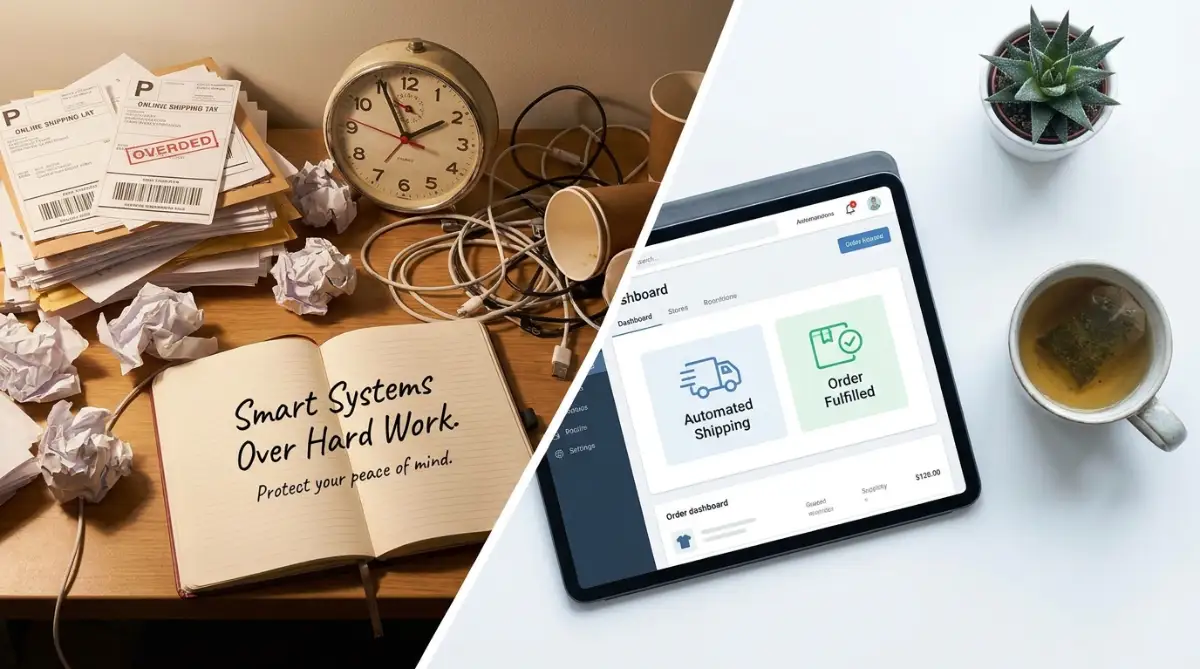
This shift completely removes the anxiety of a ticking clock. When a customer buys a digital plan or a template at two in the morning, an automated system emails it to them instantly. You do not have to wake up, package a box, print a label, or drive to the post office. Your hobby remains relaxing because the delivery is handled by software.
The Myth of the "Hustle" Mentality
We need to aggressively reject the internet culture of endless hustling. You will see social media posts telling you to work on your business every single waking hour. They tell you to sleep less, drink more coffee, and outwork your competition. This advice is deeply toxic and completely unnecessary for a beginner.
Building a sustainable income stream from your passion is not a sprint; it is a very long marathon. If you sprint the first two miles, you will collapse before the race is even halfway finished. Consistency is significantly more powerful than intensity.
Working on your new digital asset for just forty-five minutes a day is more than enough to see massive progress over a year. You do not need to quit your regular job, and you do not need to sacrifice your family time. Small, daily actions compound over time into massive, life-changing results.
Identifying Your Target Audience Without Stress
Many beginners panic because they think they need millions of followers to make any real money. They start dancing on video apps and posting three times a day, trying to appease a computer algorithm. This creates instant burnout because you are performing instead of creating.
You do not need a massive audience; you only need a highly specific one. If you create a highly detailed guide on how to grow rare indoor orchids, you do not need a million views. You just need a few hundred passionate plant lovers who are actively struggling with that exact problem.
To find these people without stressing yourself out, simply go where they already hang out. Read specialized forums, join quiet online communities, and listen to the questions people are asking. When you see a question repeated multiple times, you have just found your next product idea.
Focusing on Education and Empathy
The most profitable way to share your hobby is to become a helpful teacher. People are naturally drawn to creators who openly share their failures and mistakes. When you admit that your first ten attempts at pottery were a complete disaster, you become human and relatable.
Write detailed articles or record simple voiceovers explaining your process. Focus on being incredibly helpful rather than trying to act like a perfect expert. The internet is flooded with fake perfection. Authentic, slightly messy, real-life advice is exactly what modern consumers are desperately searching for.
When you approach monetization with an attitude of extreme helpfulness, selling does not feel dirty or stressful. You are simply offering a highly valuable solution to someone who genuinely needs it. Your digital product becomes a natural extension of your friendly advice.
Setting Up a Simple, Quiet Digital Home
Finally, to protect your peace, you need a quiet place on the internet that you actually own. Relying entirely on a loud social media platform is dangerous. If your account gets blocked by mistake, your entire income vanishes in a second.
You need a simple, clean website or a basic email newsletter. Think of it as your digital living room. It does not need flashy animations or complex coding. It just needs to clearly explain who you are, what you love doing, and how your digital products can help the visitor.
Having your own digital home allows you to step away from the noisy internet whenever you feel overwhelmed. You can take a week off to just enjoy your hobby in complete silence, knowing that your website is quietly greeting visitors and making sales in the background. This is the true definition of monetizing without burnout.
Mastering the Art of Quiet Growth: Pro Strategies for Creators
When you finally decide to share your creative passions with the world, the strategy you use matters completely. You have to build a system that works for you, instead of you working constantly for the system. The most successful independent creators operate like quiet scientists behind the scenes. They test small ideas, see what brings them joy, and automate the rest.
One of the smartest moves you can make is creating a digital boundary between your personal life and your public creator persona. When people start making money online, they often blur the lines between working and resting. According to Harvard Business Review's research on balancing professional and personal passions, setting strict psychological boundaries actually increases your long-term creative output. You need to give your brain permission to completely log off and just be human.
To make this separation easier, you should rely heavily on automated tools and smart software. You do not have to write every single email or brainstorm every single blog post title entirely from scratch. Learning how to properly communicate with modern technology will save you hundreds of hours of frustration. Taking the time to read through the beginner's guide to crafting ai prompts can help you quickly generate outlines, ideas, and marketing materials without burning out your own mental energy.
Another major secret is owning your distribution channel from the very first day. Do not build your entire dream house on rented land like a social media app. If their algorithm changes tomorrow, your stress levels will go through the roof. Instead, gently guide your biggest fans to join a private, quiet email list where you control the communication directly.
When you do set up your own website to capture these emails, please be incredibly careful about your digital footprint. Many excited beginners rush through the technical setup and accidentally publish their home address to the public internet. You must deeply understand the hidden dangers of registering a domain name without privacy enabled before you ever hit the publish button. Protecting your physical privacy is a massive part of protecting your mental peace.
You should also practice the concept of "Batch Creation." This means you only get messy once a week or once a month. If you love painting, you do not need to set up your camera and lights every single day. You spend one happy Saturday painting and filming multiple videos, and then you schedule them to post automatically over the next month.
This batching strategy completely removes the daily panic of needing something to post. Your business runs quietly in the background while you go back to enjoying your regular life. The internet continues to work for you, and your hobby remains a source of relaxation instead of a demanding boss.
Finally, always remember to celebrate the microscopic wins. We often get so obsessed with making our first thousand dollars that we completely ignore the first ten dollars. When a total stranger on the internet buys your digital pattern or reads your helpful guide, that is absolute magic. Acknowledge that small victory, feel proud of your work, and let it fuel your journey forward.

The Dangerous Traps That Destroy Creative Happiness
Turning your favorite pastime into an income stream is a highly emotional journey. Because you care so deeply about your craft, it is incredibly easy to make decisions based on excitement rather than logic. If you do not watch your step, you can quickly turn a beautiful hobby into a massive financial disaster.
The absolute most dangerous mistake is believing you need to spend massive amounts of money to look professional. I see people decide they want to sell digital knitting patterns, and immediately buy a three-thousand-dollar camera to take pictures of their yarn. They convince themselves that buying expensive gear is a mandatory first step to success.
This false belief often leads people to make terrible financial choices out of pure desperation. Some creators will aggressively try to borrow cash, completely ignoring how to protect your personal assets from business loan risks, just to fund a fancy home studio. Never put your family's actual livelihood on the line to fund a new creative project.
I have even seen incredibly talented people research how to unlock your home's equity even if your finances are struggling just to buy bulk inventory for a craft business. This is how a relaxing hobby turns into a terrifying nightmare. A real, sustainable digital business should be built slowly, using free tools and the equipment you already have in your house.
Another massive trap is falling for the predatory "business coaching" industry. When you are feeling overwhelmed, it is very tempting to pay a stranger online who promises to unlock the secrets to instant wealth. Always read the Federal Trade Commission's warnings on online business opportunity scams before handing over your credit card details. Nobody can guarantee you instant success, no matter how much they charge.
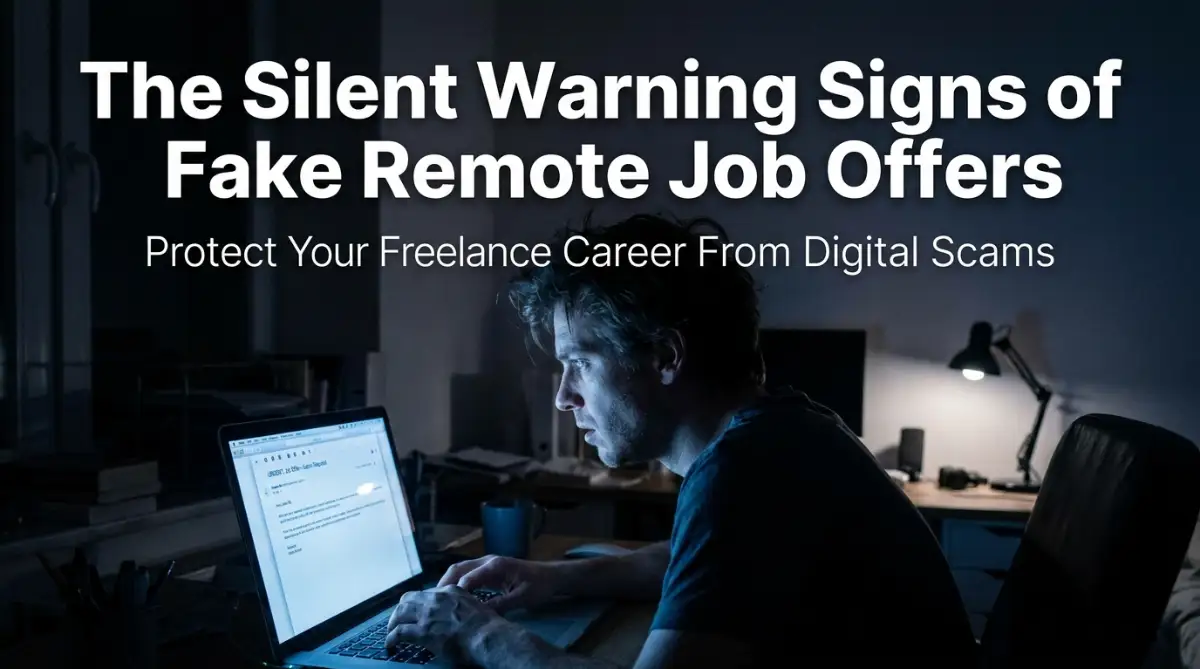
This exact same desperation pushes people toward shady internet groups offering quick cash for creative work. You might get an email offering you thousands of dollars to write articles about your hobby, only to realize later it was a sophisticated scam. You must learn to recognize the silent warning signs of fake remote job offers to protect your identity and your bank account.
People also completely ruin their creative peace by comparing their chapter one to someone else's chapter twenty. You will see a popular creator on social media effortlessly launching a massive digital course and making it look easy. What you do not see are the five years they spent crying over broken websites, failed product launches, and total burnout.
Comparing your messy beginnings to their polished highlights will destroy your confidence instantly. You have to put on blinders and focus entirely on your own small, daily progress. The only person you should ever compete with is the version of yourself from yesterday.
Lastly, do not ignore the presentation of your hard work. You might spend three months writing an incredible, deeply helpful guide about your hobby, only to publish it as a giant, unreadable block of text. If you want people to value your knowledge, you must avoid the silent formatting mistakes that drive readers away from your newly published articles. Make your content beautiful, airy, and incredibly easy for a tired person to read on their phone.
Your Personal Blueprint for a Peaceful, Profitable Passion
We have walked through a lot of deep emotional concepts today, but the path forward is actually incredibly simple. You do not need to choose between making money and keeping your mental health intact. You can absolutely have both, as long as you respect your own personal boundaries and refuse to participate in the toxic hustle culture.
Start by picking just one tiny aspect of your hobby that you want to share digitally. Do not try to launch a podcast, a blog, and a digital store all on the same day. Pick one single format, like writing a short weekly newsletter about your craft, and commit to doing just that one thing very well.
When you do start creating, remember to build digital assets that live independently of your physical labor. Write the guide once, record the tutorial once, or design the template once. Let the internet do the heavy lifting of delivering your knowledge to the world while you sit back and enjoy a hot cup of tea.
Most importantly, completely forgive yourself on the days when you just want to create for fun. Your worth as a human being is not attached to your ability to monetize every breathing moment. Some days, your hobby should just be a hobby, and that is a perfectly beautiful thing.
I know it feels incredibly scary to put your beloved craft out into the world for people to judge. My own journey started with sweaty palms, endless doubt, and a fear that making money would ruin my favorite escape forever. But I promise you, when you build your small business on a foundation of genuine helpfulness and strict personal boundaries, sharing your passion becomes the most rewarding experience of your entire life.
Common Questions About Earning From Your Interests
Is it actually possible to make money from a very obscure hobby?
Yes, obscure hobbies are often the most profitable because they have very little competition. If you love restoring antique fountain pens, the few people searching for that specific topic are highly dedicated and willing to pay for expert guidance. Narrow niches build incredibly loyal communities.
How do I know if my hobby is better kept as a personal secret?
If the mere thought of attaching a deadline or a price tag to your activity gives you severe anxiety, keep it private. You should only monetize activities where sharing the knowledge feels exciting and natural to you. You are allowed to have things in your life that are completely free from financial expectations.
Do I need to be a certified expert to sell digital guides?
You do not need formal certifications or degrees to be highly helpful. You only need to be one or two steps ahead of the beginner you are trying to teach. People often prefer learning from a relatable enthusiast rather than an intimidating, overly academic professor.
What is the absolute best digital product for a complete beginner to create?
A simple, highly focused PDF guide or a printable checklist is the easiest entry point. It requires zero expensive software, takes only a few days to create, and solves an immediate problem for the buyer. Start incredibly small, build your confidence, and expand your digital offerings later.
Disclaimer: This article is strictly for informational and educational purposes only and should not be considered professional financial, legal, or business advice. Individual results will vary based on effort, market conditions, and personal circumstances. Always conduct your own independent research and consider consulting with a certified business or financial advisor before making any major financial decisions, taking out loans, or formally establishing a commercial enterprise.