The Morning The Power Stopped Flowing From The Sun
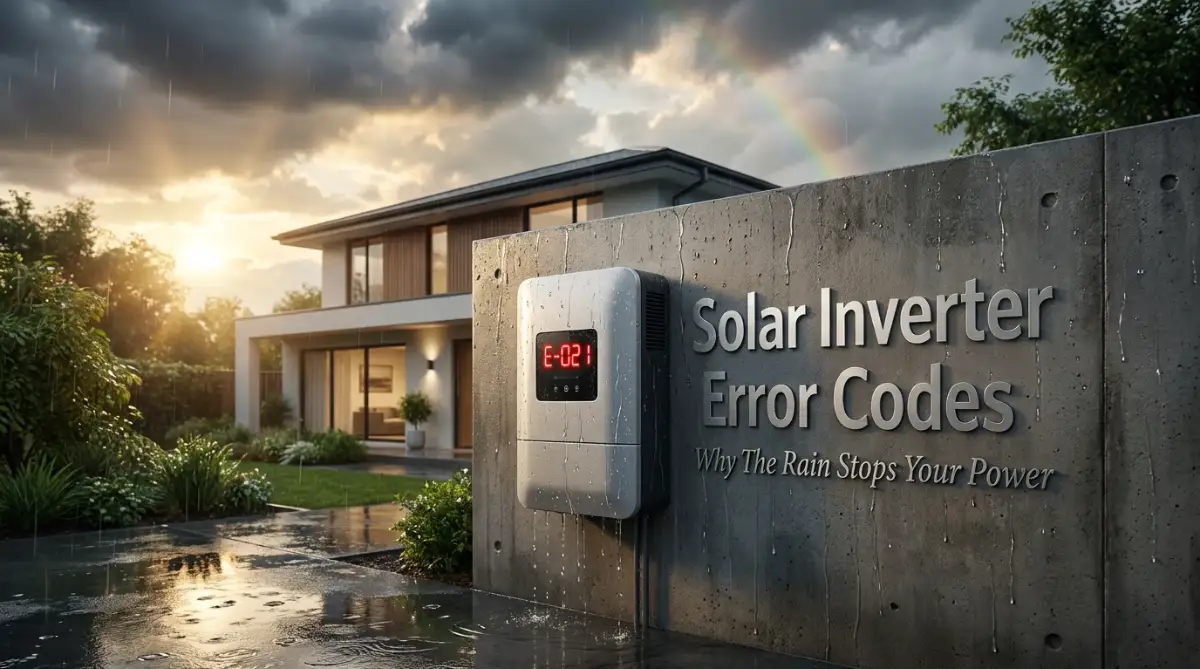
I remember waking up to the sound of intense thunder shaking my bedroom windows. My first thought was whether my roof could handle the heavy rainstorm that was dumping buckets of water outside. But when I went to check the lights, the entire house was completely dark, even though the heavy storm had finally passed. I walked outside to the side of my house to check my expensive solar energy setup.
My heart totally sank when I saw a strange, blinking red error code glowing on my inverter screen. I had absolutely no idea what those random numbers and letters meant. Panic quickly set in as I imagined needing to replace the whole expensive system just because of some bad weather. My morning coffee had to wait while I frantically searched for answers on my phone in the damp cold.
Seeing an unexpected error on a machine that powers your whole life is incredibly stressful. You invest thousands of dollars into clean energy, expecting peace of mind and lower electric bills. Instead, you are left staring at a flashing red light, wondering if your food will spoil in the refrigerator. The anxiety of not knowing if your solar panels are permanently damaged can completely ruin your weekend.
When the grid goes down, your home becomes hot, uncomfortable, and isolated. It feels incredibly unfair that a natural event like rain can stop your high-tech solar system from doing its job. You start worrying about hidden electrical dangers or potential fire hazards near your wet roof. The lack of clear information just makes the whole situation feel completely overwhelming and frustrating.
This is a very real struggle that thousands of homeowners face every time the storm clouds roll in. You are definitely not alone in this confusing battle against weather-related energy issues. In fact, weather-induced faults are among the most common reasons solar systems shut down unexpectedly. But the good news is that this blinking light is actually trying to protect you.
Decoding the Hidden Language of Your Solar System
Your solar inverter is essentially the central brain of your entire home energy setup. Its main job is to take the raw, unusable direct current (DC) energy from your roof and turn it into safe alternating current (AC) for your appliances. Because it handles high amounts of electricity, it is built with extremely sensitive safety sensors. These sensors are designed to completely shut down the system at the very first sign of danger.
When a heavy rainstorm hits, the environment around your solar panels changes dramatically. The massive amount of water pouring over your roof creates new paths for electricity to potentially travel. If your system detects that electricity might be leaking outside of its normal wires, it will immediately stop working. That annoying error code is actually a brilliant safety feature preventing a massive electrical fire on your roof.
Understanding why these specific sensors trip requires looking at how water interacts with your outdoor equipment. Rainwater itself is a great conductor of electricity, especially when it mixes with dust and dirt on your roof. We need to explore the exact mechanisms that cause your system to panic when things get too wet.
Moisture Intrusion and the Dreaded Ground Fault
One of the most frequent messages you will see after a downpour is related to a "Ground Fault" or "Isolation Fault." This happens when the inverter senses that electrical current is touching the grounding wire. Normally, electricity flows safely in a closed loop between your panels and the inverter. If water bridges the gap between a live wire and the metal frame of the panels, electricity escapes.
During a massive rainstorm, water pools around the cables and connectors on your roof. Over time, the rubber seals protecting these connectors can slightly degrade due to extreme sun exposure. When the heavy rain finally arrives, water easily sneaks into these tiny, almost invisible cracks. Once moisture touches the bare metal inside the connector, the inverter instantly detects the leak.
This completely stops the power production to ensure that nobody touching the metal frame gets shocked. The system will absolutely refuse to restart until the moisture dries up or the leak is fixed. This is why many homeowners notice that their system magically starts working again when the sun comes out. The heat from the sun simply evaporates the trapped water, removing the dangerous electrical bridge.
Pro Tip from My Experience: I used to try forcing my system to restart immediately while it was still pouring outside. I quickly learned that constantly resetting a wet system can permanently damage the internal sensors of the inverter. Now, I always wait for at least a few hours of dry sunlight before I even attempt to clear the error screen.
The Problem of Micro-Cracks in Solar Panels
Sometimes the issue is not with the exposed wires, but with the actual glass panels themselves. Solar panels are built to be incredibly tough and weather-resistant. However, extreme temperature changes, small hail, or even poor installation can create microscopic cracks in the glass. These cracks are usually totally invisible to the naked human eye.
When heavy rain falls continuously for hours, water acts like a persistent intruder. It slowly seeps through these microscopic cracks and reaches the sensitive solar cells inside. This moisture lowers the insulation resistance of the entire panel array. Your smart inverter constantly measures this resistance to ensure everything is heavily insulated and safe.
If the insulation drops below a certain safe limit because of the invading rainwater, the error code pops up. This is a very common reason why older solar setups struggle during the wet season. Finding the specific panel with the micro-crack can be a bit like searching for a needle in a wet haystack. Usually, a professional is needed to test the exact voltage of each individual panel.
Understanding Grid Voltage Spikes
Before we move on to testing, there is an amazing resource that visually explains exactly how storms mess with our electrical grid. I found this visual breakdown incredibly helpful when I was trying to figure out my own system. Check out this video to see exactly what happens behind the scenes during a lightning storm.
Watch exactly how heavy storms send dangerous voltage spikes directly into your home inverter.
Sometimes the rain itself is not the actual problem causing the blinking red light. Heavy rainstorms are almost always accompanied by intense lightning and high winds. These extreme weather conditions can cause massive disruptions and fluctuations in your local neighborhood electrical grid.
Your inverter is legally required to constantly monitor the health and stability of the city power grid. If lightning strikes a nearby transformer, it sends a massive spike of voltage down the power lines. Your inverter senses this dangerous spike and immediately disconnects your home from the grid to protect your appliances. This will often show up as an "AC Overvoltage" or "Grid Fault" error on the screen.
Similarly, if the wind knocks down a power line a few streets over, the grid voltage might drop significantly. Your system will read this as an unstable connection and shut down out of caution. In these specific cases, there is absolutely nothing wrong with your solar panels or your roof wiring. The system is simply waiting for the city power grid to stabilize before it starts pushing solar energy again.
The Myth of Waterproof Solar Connectors
There is a huge misconception in the home improvement world that solar equipment is 100% waterproof. Many salespeople will tell you that you never have to worry about rain affecting your system. While the equipment is definitely highly water-resistant, "waterproof" is a very strong and misleading word.
Every single plug, junction box, and wire casing has a specific rating for handling water. These ratings test for direct splashes and temporary submersion. However, they do not always account for years of intense UV radiation baking the plastic seals. What was perfectly water-resistant on day one might be highly vulnerable to rain five years later.
This is why regular physical inspections are so important for long-term solar health. Assuming your system is invincible to heavy weather is a quick way to end up with a burned-out inverter. Just like a car needs the rubber belts checked, your solar array needs its protective seals examined.
Why the Junction Box is a Prime Suspect
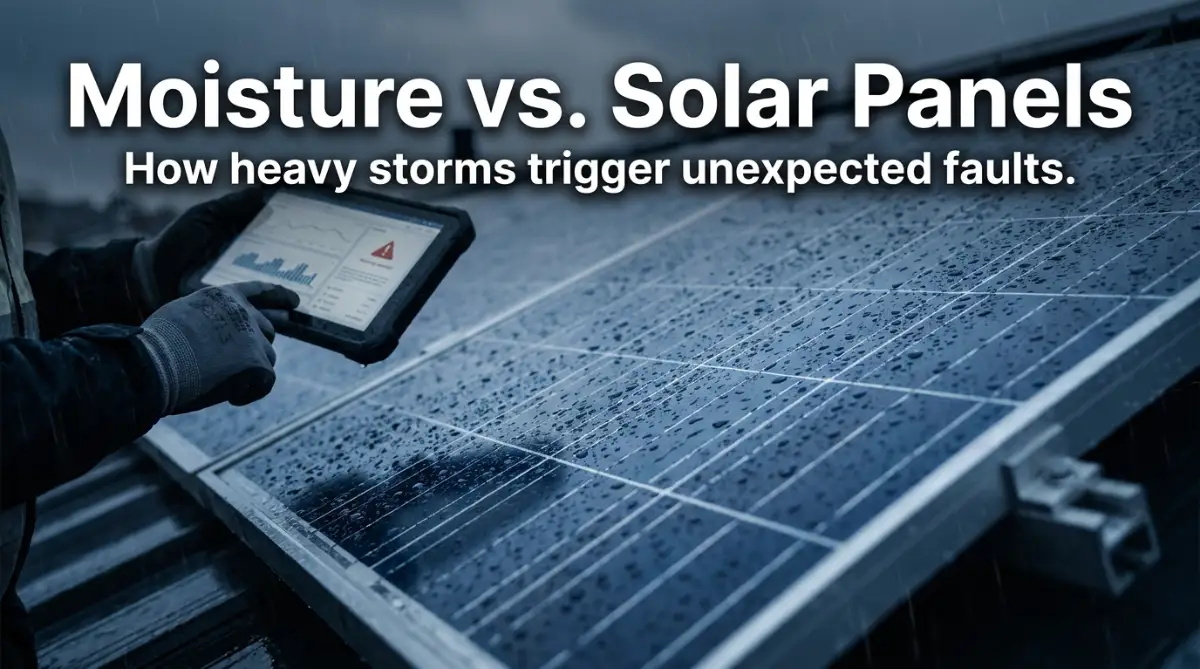
Every single solar panel on your roof has a small plastic square on the back called a junction box. This little box is where the electricity leaves the panel and enters the main wiring system. It is packed with sensitive diodes and connectors that keep the current flowing in the right direction.
Because it sits closely behind the panel, it is usually protected from direct, heavy rainfall. However, during a severe storm with high-speed winds, rain gets blown in from every possible angle. Water can easily be pushed up under the panels, soaking the junction boxes directly. If the silicone sealant around the edges of the box has degraded, water will easily pool inside.
When water enters the junction box, it completely shorts out the internal bypass diodes. This not only triggers an error code on your wall unit but can actually permanently ruin the specific panel. If you notice a persistent error that does not go away after three days of bright sunshine, a flooded junction box is highly likely.
The Silent Threat of Rodent Damage
You might be wondering what animals have to do with heavy rain and solar errors. The connection is actually surprisingly common and incredibly frustrating for homeowners. During dry months, squirrels and birds love to build warm nests underneath the shelter of your solar panels.
While they live up there, they often chew on the protective plastic casing of your solar wires. This chewing exposes the bare copper wires underneath, but you might not notice any issues while the weather is completely dry. The system continues to work perfectly fine because the exposed wires are not touching anything conductive.
Then, the heavy rainstorm finally hits your town. The rainwater pours down the roof, washing directly over those exposed, chewed-up wires. The water creates an instant electrical connection between the bare wire and your wet roof tiles. Boom, your inverter immediately throws a ground fault error code, leaving you completely in the dark.
Recognizing Normal Behavior vs. Real Issues
It is highly beneficial to know the difference between a system that is safely waiting, and one that is broken. Not every red light means you need to call a technician and spend hundreds of dollars. Let us look at a quick comparison to help you understand your system's mood.
Normal Weather Pauses:
- The inverter shows a "Waiting" or "Checking Grid" message during the actual storm.
- The error clears entirely by itself after the sun has been out for a few hours.
- The system restarts smoothly with a solid green light once the panels are visually dry.
Serious Hardware Faults:
- The system continuously trips a loud breaker in your main electrical panel.
- You physically smell a burning plastic odor coming from the inverter box.
- The specific error code remains on the screen even after a full week of completely dry weather.
If your system falls into the first category, you just need to exercise a little bit of patience. The technology is doing exactly what it was programmed to do by staying off until conditions are safe. But if you are experiencing the serious hardware faults, you need to leave the system completely off.
Safety First: What You Should Never Do
When the power goes out, the temptation to play DIY electrician is incredibly strong. You just want your lights back on and your expensive investment working again. However, interacting with wet solar equipment without proper training is exceptionally dangerous.
Never climb onto a wet roof to physically inspect your solar panels during or immediately after a rainstorm. The mix of high voltage direct current and a slippery surface is a recipe for a fatal disaster. Even if the inverter is switched off, the panels themselves are still producing live electricity if there is any ambient daylight.
Do not try to aggressively blast the inverter or the outdoor wires with a hairdryer to speed up the drying process. The intense, directed heat from a hairdryer can easily melt the internal plastic components of the inverter. You also run the massive risk of electrocuting yourself if you are standing in a puddle while holding a plugged-in appliance.
Always rely on the built-in digital diagnostics of your system before taking any physical action. Your first step should always be writing down the exact combination of letters and numbers showing on the screen. That specific code is the main key to figuring out exactly where the heavy rain caused the failure.
Understanding how weather impacts your energy setup is the absolute best way to protect your home. It transforms you from a panicked homeowner into a highly informed energy consumer. Now that we understand the deep connection between heavy moisture and our hardware, we need an action plan. We need to know exactly how to reset the system safely and when to call in the professionals.
Pro Strategies for Weatherproofing Your Home Solar Setup
Now that we understand exactly why our system acts up during bad weather, we need to talk about long-term protection. You do not want to spend every rainy season staring nervously at your garage wall. Taking a proactive approach can easily save you thousands of dollars in unexpected electrical repairs. We have to treat our energy equipment with the same respect we give our expensive vehicles.
Most people just wait for something to break before they call a technician. But the secret to a long-lasting solar array is stopping the moisture before it even reaches the sensitive electronics. There are a few highly effective strategies that industry experts use to keep things running smoothly. Let us look at some practical habits you can start building today.
The Magic of the Inverter Weather Canopy
If your main control unit is mounted on an exterior wall, it takes a massive beating from the elements. Manufacturers build these boxes to handle rain, but continuous exposure to severe weather eventually wears down the outer seals. Building or buying a simple weather canopy to sit right above the unit is a game-changer. It acts just like an umbrella, blocking direct rainfall and keeping the immediate area much drier.
This small physical barrier also protects the digital screen from intense afternoon sun, which can crack the plastic over time. You want to make sure the canopy provides plenty of open space for air to flow around the cooling fins. If you completely enclose the box, it will overheat quickly and shut down from temperature stress. A basic metal or heavy-duty plastic awning does the trick perfectly without suffocating the machine.
Mastering Your Digital Monitoring Tools
Your solar array probably came with a smart app that shows your daily energy production on your phone. Most homeowners only open this app when they want to brag about their energy savings to their neighbors. However, this software is actually your first line of defense against weather-related damage. Paying close attention to how your panels recover after a storm tells a huge story.
Just like you might tweak your hidden smartwatch settings to improve battery life, you should explore the deeper diagnostic menus in your solar app. You can often see if one specific panel is constantly lagging behind the others when the rain stops. If a single panel always struggles to produce power after a heavy downpour, you likely have an isolated moisture leak.
According to guidelines from the U.S. Department of Energy, actively tracking your system's output can help identify microscopic hardware faults before they become major fire hazards. Catching a small voltage drop early means a technician can simply reseal a wire. If you ignore the data, that same wire might completely short out and destroy the whole panel.
Scheduling the Annual "Dry Season" Inspection
We often forget about our roofs entirely until water starts dripping onto our living room floor. Waiting for a massive rainstorm to test your solar wiring is a terrible idea. The absolute best time to check your system is during the driest, mildest part of the year. This gives you plenty of time to fix degraded components before the severe weather rolls into town.
I highly recommend hiring a certified solar electrician to perform a specialized insulation resistance test. They use a specific tool called a megohmmeter to push a safe, high voltage through the wires. This test quickly identifies any weak spots in the rubber insulation that rainwater would easily penetrate. The National Renewable Energy Laboratory regularly points out that proactive wire testing significantly extends the lifespan of residential solar setups.
Sealing the Vulnerable Roof Gaps
The space between your roof tiles and the bottom of your solar panels is a very busy area. Wind constantly blows leaves, dirt, and heavy moisture right into this tight gap. Over time, this debris builds up and acts like a wet sponge resting directly against your power cables. This trapped moisture slowly eats away at the protective plastic casing around your electrical connections.
You can easily prevent this by installing a specialized wire mesh guard around the outer edge of your panels. This barrier stops heavy debris from getting trapped underneath, allowing rainwater to flow freely down the roof. When water moves quickly away from the equipment, it has no time to seep into the tiny electrical joints. Keeping that underneath area completely clear of wet leaves is a major key to stopping ground faults.
The Costly Errors Homeowners Make After a Storm
When the lights go out, our first instinct is usually to fix the problem as fast as possible. We naturally want to take control of the situation and get our expensive investment working again. Unfortunately, this rushed mindset leads to some incredibly expensive and dangerous mistakes. I have seen perfectly good solar setups completely ruined by well-meaning homeowners trying to help.
Understanding what you should absolutely avoid doing is just as important as knowing how to maintain the hardware. The combination of high voltage and wet surfaces creates a highly unforgiving environment for DIY projects. Let us walk through the most common traps that end up voiding warranties and causing massive headaches.
Ignoring the Roof Underneath the Hardware
One of the biggest mistakes people make is focusing entirely on the shiny panels and ignoring what holds them up. Your solar system is only as strong and reliable as the structure underneath it. If the wooden beams of your house are rotting from water damage, your panels will eventually shift and pull the wires apart.
Understanding the unspoken risks of installing solar panels on an aging residential roof structure can literally save your home from collapsing. When heavy rain hits an older roof, the water can easily bypass the flashing around your solar mounts. This causes slow, invisible leaks inside your attic that eventually ruin your drywall. Always make sure your actual roof is perfectly waterproof before you blame the solar equipment for a leak.
The Pressure Washer Disaster
After a long season of heavy storms, your panels are probably covered in sticky mud, pollen, and hard water stains. Many people think they can just grab a high-powered pressure washer to blast the dirt away. This is arguably the absolute worst thing you can do to a modern solar array. The extreme pressure will easily force water straight through the factory weather seals.
Once you blast water past those seals, you have permanently trapped moisture directly against the solar cells. This will immediately trigger the exact ground fault error codes we talked about earlier. Instead of aggressive washing, just let normal, gentle rain do the cleaning, or use a very soft brush with a regular garden hose.
Misunderstanding Battery Storage Limits
Many modern solar setups now include a large home battery sitting next to the main control box in the garage. People often assume that because they have a battery, they are totally immune to power outages. But just like we see with electric vehicle battery degradation, extreme temperatures and moisture can seriously affect energy storage.
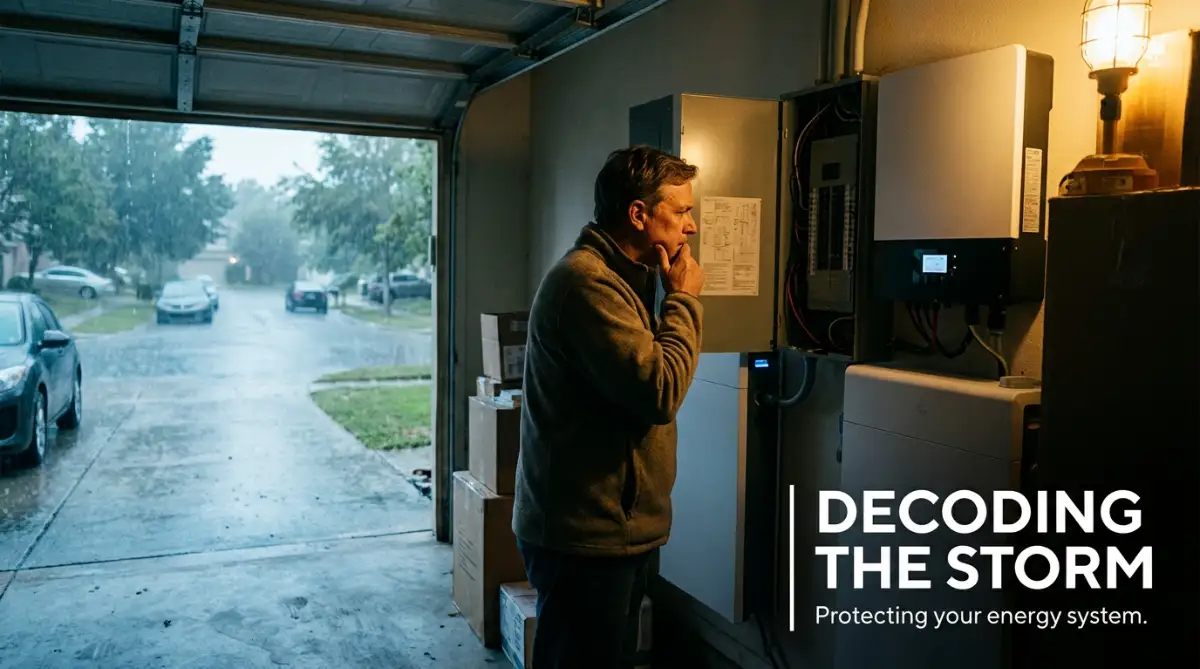
If your garage floods slightly during a massive storm, the rising humidity can easily trip the moisture sensors on your battery pack. The system will lock itself down to prevent the stored energy from discharging into a puddle of water. Never try to force your battery to turn back on if the immediate area is still damp or heavily humid. Give the room plenty of ventilation and let the internal fans dry out the sensitive components.
The Endless Reset Loop
I mentioned this briefly before, but it deserves its own dedicated warning because it happens so often. When the red light starts flashing, you will likely find a manual restart switch on the bottom of the box. Flipping this switch tells the computer to ignore the previous error and try connecting to the roof again. Doing this once to see if it was a temporary glitch is totally fine.
However, standing there and flipping it ten times in a row while it is still raining is a terrible idea. Every time you force a restart, you are sending a jolt of electricity testing for a safe path. If there is a massive puddle of water on your wires, you are repeatedly stressing the internal safety fuses. Eventually, those internal fuses will permanently burn out, requiring a very expensive hardware replacement.
According to safety guidelines from the National Fire Protection Association, repeatedly resetting a tripped electrical circuit greatly increases the risk of an arc fault. You should always trust the machine when it tells you the environment is currently unsafe for power generation. Patience is your best friend when dealing with wet electronics.
Letting Financial Stress Dictate Safety
Sometimes, a severe storm really does cause permanent damage to an older solar array. You might find out that you need to completely replace several panels and all the main wiring. This kind of sudden expense causes massive financial stress, leading people to hire cheap, unlicensed handymen to do the repairs. Trying to save a few dollars on high-voltage electrical work is incredibly risky.
If you are facing massive repair bills after a storm, do not panic and hire the cheapest guy on the internet. There are plenty of smart financial tools you can use to fund professional, safe repairs. For example, unlocking your home's equity can easily cover the cost of upgrading your damaged solar equipment. Even if your financial situation is not perfect, you can often secure a home equity loan with bad credit to protect the value of your property.
Moving Forward With Confidence When The Clouds Roll In
Seeing a red flashing light on your expensive solar equipment will always cause a brief moment of anxiety. But you now have the exact knowledge to look at that blinking screen and understand what is actually happening. You know that the machine is simply doing its job by keeping your home safe from dangerous electrical leaks. Instead of feeling helpless, you can now confidently read the situation and wait for the sun to return.
Taking care of an outdoor energy system requires a little bit of proactive thinking and a lot of common sense. Keep the area around your panels clear, protect your main control box from direct rain, and never rush a wet electrical repair. If the error stays on long after the roof is completely dry, you know exactly when to call in a certified professional. By following these simple habits, you will keep your home powered safely for many decades to come.
I know how incredibly frustrating it is to lose power right when you need it the most. My own journey with solar headaches taught me that a little bit of patience completely changes the game. Stay proactive, trust your system's built-in safety features, and enjoy the amazing benefits of generating your own clean power!
Real Questions Homeowners Ask About Wet Inverters
Will heavy rain permanently break my solar inverter?
Normally, heavy rain will not permanently break your equipment because the outer casings are highly water-resistant. The error codes you see are usually temporary safety pauses triggered by outside moisture touching the roof wires. As long as the internal computer does not get completely flooded, the system will restart perfectly once the sun dries everything out.
Should I manually turn off my solar panels during a lightning storm?
You do not need to manually turn off your system during a typical thunderstorm. Your modern equipment is specifically programmed to automatically disconnect from the grid if it detects a dangerous voltage spike nearby. Going outside in severe weather to touch electrical boxes is far more dangerous than just letting the automatic safety sensors do their job.
How long does it usually take for a wet solar system to dry out?
On a warm, highly sunny day, most surface moisture on your roof wires will completely evaporate within three to four hours. If water has managed to sneak deep inside a tiny connector, it might take a full day or two of direct sunlight to clear. If the error code is still showing after three days of perfect weather, you likely need a professional to replace a damaged wire.
Does homeowners insurance cover storm damage to solar setups?
Yes, most standard homeowners insurance policies will cover sudden, accidental storm damage to roof-mounted solar panels. If high winds or heavy hail physically smash your equipment, you can usually file a claim to have it replaced. However, insurance rarely covers normal wear and tear, like old rubber seals slowly degrading over many years.
Disclaimer: The information provided in this article is for educational and informational purposes only and does not constitute professional electrical advice. Always consult with a licensed, certified electrician or a professional solar technician before attempting any maintenance, repairs, or physical inspections on your home energy system. Working with high-voltage equipment is extremely dangerous and can result in severe injury or property damage.