The Brutal Shock of My First Winter Off-Grid
Watching your solar battery percentage drop unexpectedly on a freezing evening is completely terrifying. Last winter, I found myself sitting in the dark, wondering why my expensive off-grid setup failed me just when I needed it most. It turns out, the freezing cold literally chokes the life out of energy storage if you do not prepare it properly. Let me share exactly how to stop this from happening to you, so you can keep the lights on and your family warm all winter long.
I felt like I had completely failed to protect my home, even though I had spent a small fortune on renewable energy. This is a common nightmare for so many homeowners when the seasons change and the frost sets in. You invest heavily in renewable energy, expecting total independence from the main utility grid. Then the first major cold front hits, and your system performance drops drastically.
Suddenly, you are constantly checking your phone app, filled with anxiety as you watch your stored energy drain twice as fast. It feels like you are being punished for trying to do the right thing for your home. You start wondering if you need to buy a noisy gas generator just to survive the freezing months.
The mental toll is actually worse than the physical cold. You stop running your heater at a comfortable temperature just to save a few precious watts. Every time the refrigerator compressor kicks on, you feel a sharp spike of panic in your chest. No one should have to live with that kind of constant background stress in their own house.
Quick Action Plan for Winter Prep:
- Insulate First: Wrap your storage units to trap their natural heat, and keep them elevated off freezing concrete floors.
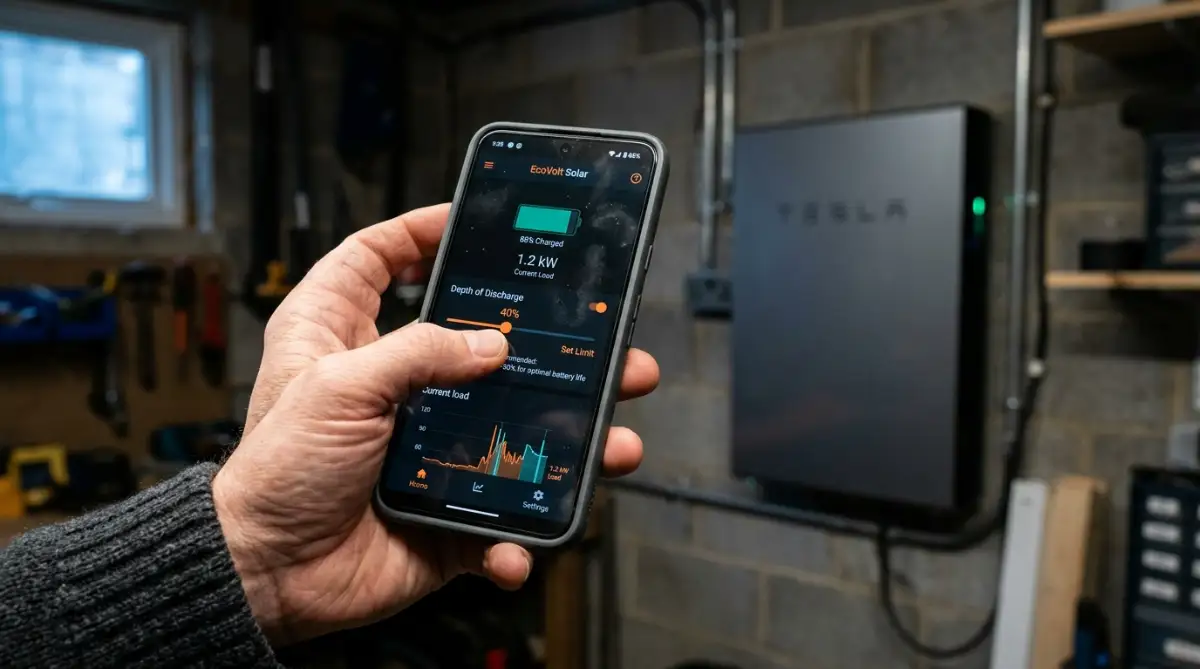
- Tweak the Settings: Adjust your Depth of Discharge (DoD) limits via your mobile app so you never drain a freezing battery too deeply.
- Update the Brain: Download the latest inverter firmware to activate smarter, cold-weather charging profiles.
- Cut the Hidden Drains: Kill phantom electrical loads inside your house every evening to stretch your stored power until sunrise.
Decoding the Invisible Threat: How Cold Weather Attacks Stored Energy
Before you can fix the problem, you need to understand exactly what happens to your power supply when the temperature drops. Think of your solar storage system just like the human body. When you step outside into freezing weather without a jacket, your body uses massive amounts of energy just to stay warm.
Your batteries react in a very similar way when exposed to extreme cold. The chemical reactions that store and release electricity slow down significantly as the physical temperature drops. This sluggish chemical reaction creates internal resistance, making it much harder for the system to push power into your home.
Because of this resistance, the total capacity of your setup shrinks. A system that normally holds ten kilowatt-hours of power might only give you six or seven during a hard freeze. This hidden capacity loss is exactly why your lights suddenly go dark hours earlier than you expected.
Myth vs Reality: The Winter Solar Dilemma
There is a lot of misinformation floating around about how renewable energy performs in the colder months. Let us clear up some of the most common misunderstandings right now.
Myth: Solar systems are completely useless in the winter because the sun is weaker.
Reality: Solar panels actually operate more efficiently in cold temperatures, often generating high-voltage power on clear winter days. The real weak link is not the panel on your roof, but the storage unit sitting in your cold garage.
Myth: You have to bring your heavy storage units inside your living room to keep them safe.
Reality: You do not need to move heavy equipment to protect it. With proper external insulation and basic software adjustments, you can keep everything right where it is.
Fortifying Your System: A Practical Action Plan
Now that we know exactly how the cold steals your power, we can build an impenetrable defense line. You do not need a degree in electrical engineering to properly winterize your setup. You just need to follow these practical, science-backed steps before the first major frost arrives.
Shielding Your Investment with Proper Thermal Management
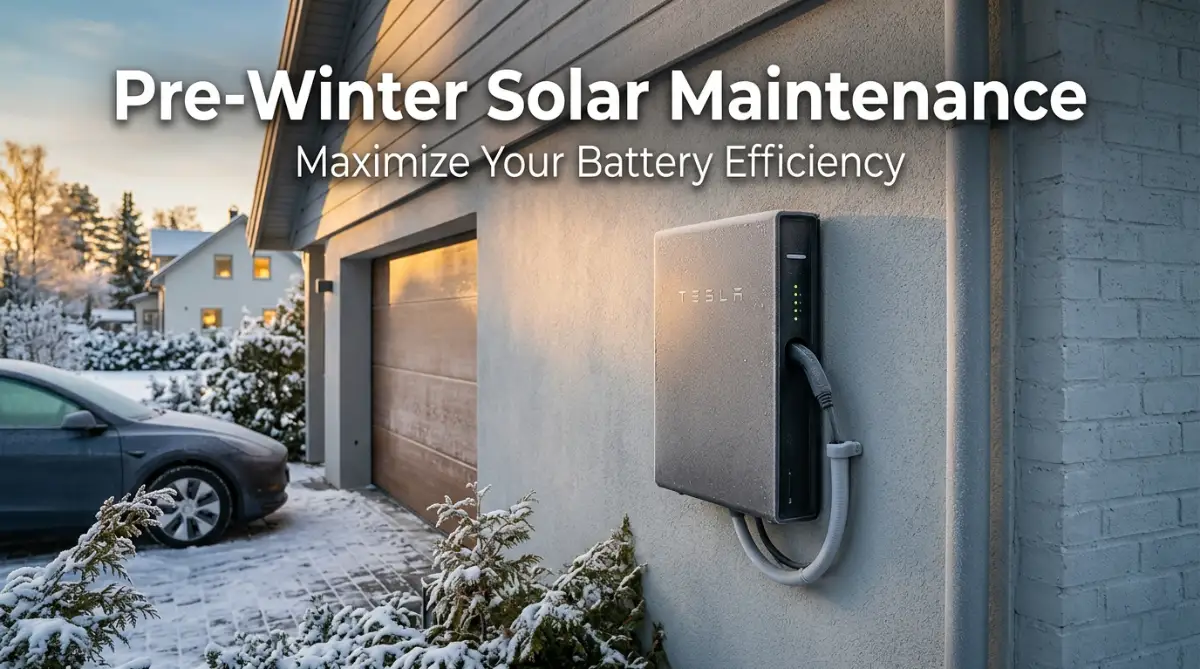
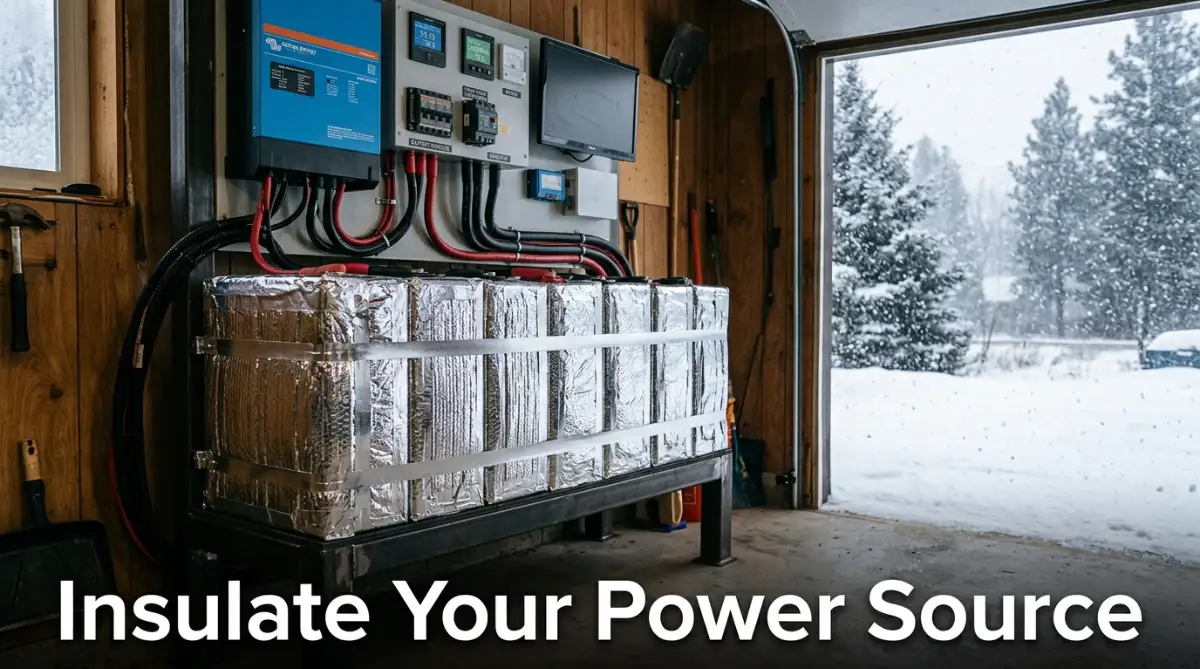
The very first thing you need to check is the physical environment where your equipment is installed. If your units are located in an unheated garage or an outdoor shed, they are fully exposed to the elements. Wrapping them in high-quality thermal insulation is the most effective way to trap the heat they naturally generate.
You can easily find reflective foil insulation wraps at your local hardware store. Carefully wrap the sides of the enclosure, making sure you do not block any ventilation fans or cooling ports. Blocking ventilation can cause severe overheating if the weather suddenly warms up.
If you live in an extremely harsh climate, you might want to look into self-regulating silicone heating mats. These mats slide directly underneath the units and automatically turn on when the temperature dips dangerously low. They use a tiny amount of electricity to keep the internal chemistry perfectly warm and active.
My Real-Life Cost Check:
Building a custom insulation box using basic rigid foam board from the local hardware store cost me less than $40 last November. That tiny investment stopped my system from dropping 30% of its capacity on freezing nights. You do not need highly expensive heating gear right away; you just need to trap the heat your system already makes.
Re-calibrating Your Depth of Discharge (DoD) Settings
Your system has a built-in computer that tells it how much power it is allowed to drain before shutting down. In the summer, you might safely drain your system down to twenty percent without any long-term damage. However, draining a cold system that deeply puts massive mechanical stress on the internal cells.
To protect the internal chemistry, you need to log into your inverter interface or mobile app. Change your maximum Depth of Discharge setting to stop at thirty or even forty percent during the winter months. This keeps a larger buffer of energy inside the cells, which prevents them from freezing solid and cracking.
I know exactly how painful it is to artificially limit your own usable power capacity. But sacrificing a little bit of daily capacity now will add years to the overall lifespan of your expensive equipment.
I actually learned this lesson the hard way during my second year living off the grid. I completely forgot to adjust my discharge limits, and I ended up permanently damaging a perfectly good storage bank. Taking five minutes to change that setting on your phone app can literally save you thousands of dollars in replacement costs down the road.
Updating Inverter Firmware for Smart Diagnostics
Technology changes rapidly, and manufacturers frequently release software updates to improve how your equipment handles extreme weather. Many people completely ignore these updates, treating them like annoying pop-ups on a computer screen. This is a massive mistake when it comes to managing high-voltage electronics.
These firmware updates often contain improved algorithms for cold-weather charging. They teach your inverter exactly how to smoothly ramp up the electrical current when the system is freezing cold. Blasting a frozen cell with high-speed electricity is incredibly dangerous and can cause internal short circuits.
Take charge of your system's brain. Open your manufacturer application, connect to your home Wi-Fi, and check for any pending updates. Let the software download and install during a sunny afternoon when your home is fully powered.
Keeping the Energy Pathway Clear
Your storage bank is entirely dependent on the energy coming down from your roof. If your panels are covered in a thick layer of ice, your batteries will starve. A starving system in the middle of a blizzard is exactly what we are trying to prevent.
Want a visual breakdown of how to safely clear your roof without damaging the glass? Check out this incredibly helpful video on winter panel maintenance before you grab a ladder.
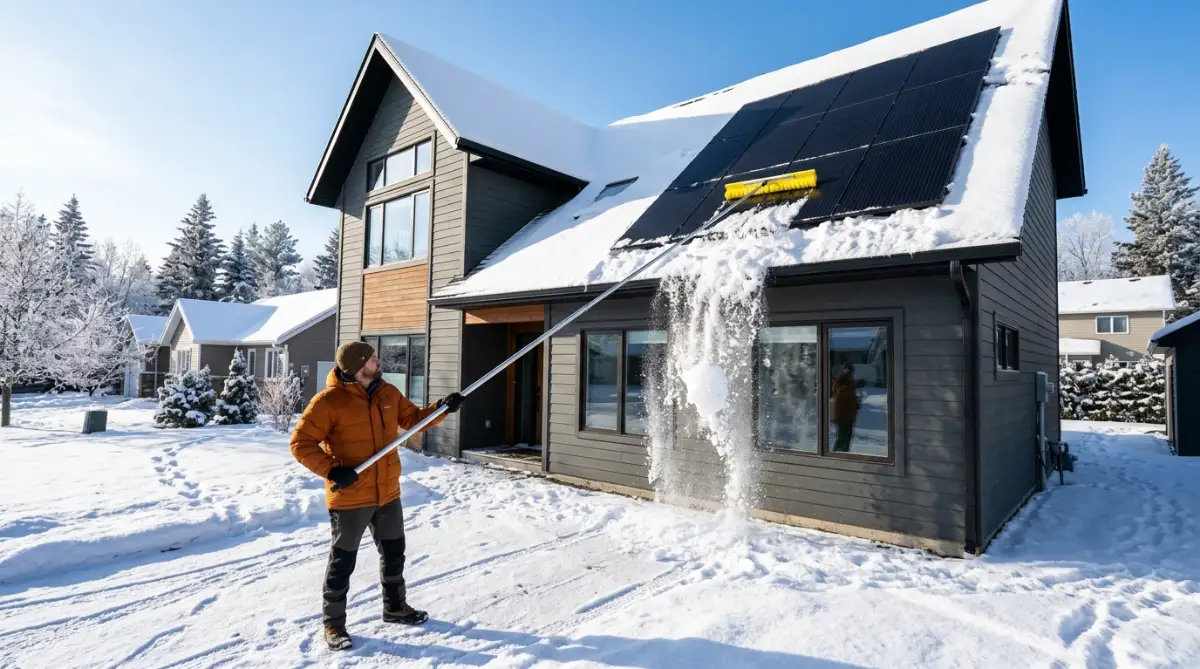
Never use a hard metal shovel or a rough bristled broom to scrape the snow away. The glass covering your panels is durable, but a sharp metal edge can easily scratch the anti-reflective coating. Instead, invest in a soft foam roof rake with a long telescopic pole.
You can safely stand on the ground and gently pull the heavy snow off the bottom edges of the array. Once you expose the top portion of the dark glass to the sun, it will naturally heat up. The remaining snow will quickly slide off on its own, allowing maximum voltage to flow back to your storage room.
A Quick Breakdown: How Different Technologies React to the Cold
If you are thinking about upgrading or expanding your setup, you must understand what you are buying. Not all technologies handle freezing environments the exact same way. Let us compare the two most popular options on the market today.
If you own an older lead-acid setup, you have an entirely different set of rules to follow. A fully charged lead-acid cell acts like a strong bottle of antifreeze. But if you let a lead-acid cell drain too low, the liquid inside turns into mostly water.
Water expands when it freezes, which will literally crack the heavy plastic casing right down the middle. This results in a toxic, dangerous acid spill on your garage floor. You must keep older liquid-based systems constantly topped off during cold snaps to keep that liquid acidic and freeze-proof.
Performing a Pre-Winter Energy Audit
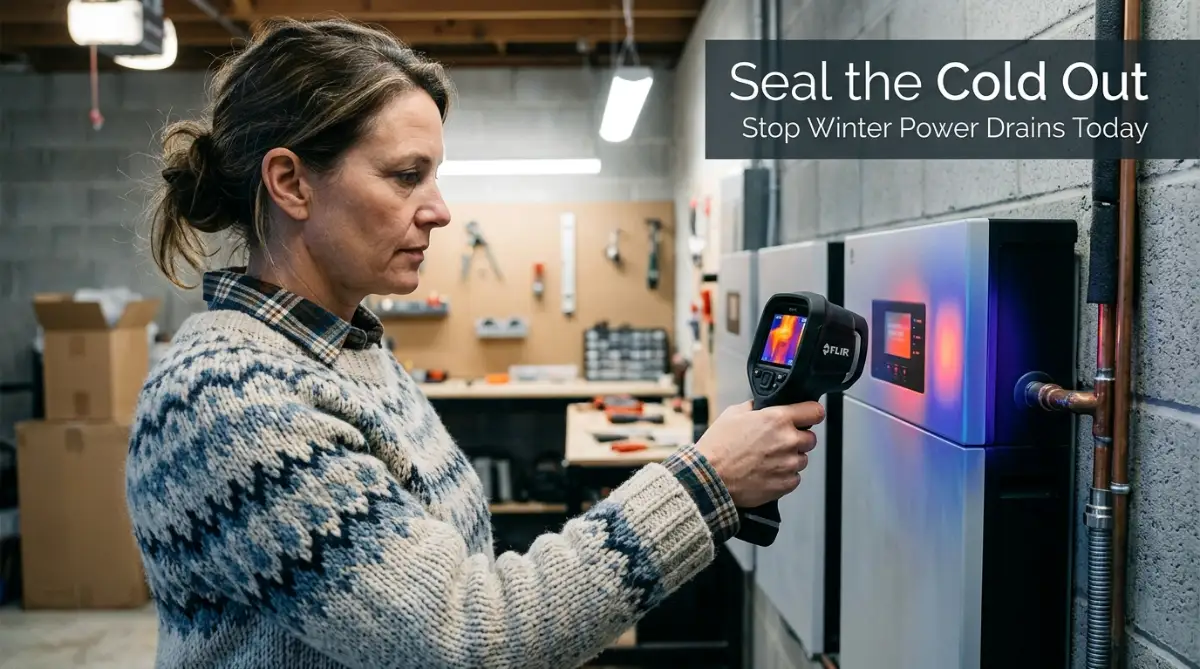
Maintenance is not just about tightening wires and checking software settings. It is also about managing how your household consumes the power you are fighting so hard to store. Conducting a simple energy audit before the snow falls can dramatically extend your daily power reserves.
Walk through your home and look for devices that are quietly sucking electricity while turned off. We call these "phantom loads," and they are absolute killers when you are running on limited solar reserves. Older televisions, desktop computers, and smart home hubs constantly drain tiny amounts of wattage twenty-four hours a day.
Plug your most power-hungry entertainment centers into heavy-duty smart power strips. When you go to sleep, you can click one button on your phone to kill the power completely. Saving fifty watts an hour might not sound like much, but over a long, dark winter night, it adds up to a massive amount of saved energy.
You should also take a close look at your home heating strategy. If you rely on electric space heaters, they will drain your reserves faster than any other appliance in your house. Try sealing your windows with temporary weather-stripping and using heavy thermal curtains to trap the heat naturally.
My 3-Minute Evening Audit Routine:
- Check the router: Are unnecessary Wi-Fi extenders plugged in? Unplugging them saves about 10 watts an hour.
- Look at the TV setup: I click off the smart power strip behind my entertainment center. That stops 25 watts of phantom drain instantly.
- Thermostat reality check: Drop the ambient heat by just two degrees and put on a thick sweater. It saves massive amounts of battery life overnight.
Testing the Physical Connections
Throughout the hot summer, the metal wires connecting your system expand. As the air turns cold, those exact same wires begin to contract. This constant cycle of expanding and contracting can cause the bolts and terminal connections to slowly loosen over time.
A loose electrical connection creates heavy resistance, and resistance creates dangerous heat. In a worst-case scenario, a loose terminal can spark and cause a localized electrical fire. Grab an insulated wrench and gently check every single connection point on your storage bank.
You do not need to over-tighten them; just make sure they are snug and secure. While you are looking at the terminals, check for any strange white or blue powdery buildup. That corrosion acts like an invisible roadblock, stopping power from flowing smoothly into your home.
You can easily clean away this corrosion using an old toothbrush and a simple mixture of baking soda and water. Once the metal is shiny and clean again, coat it lightly with a specialized dielectric grease. This simple paste acts as a waterproof barrier, preventing any new corrosion from forming during the damp winter months.
Taking complete control of your energy system is incredibly rewarding. You no longer have to fear the changing seasons or rely blindly on a fragile utility grid. By combining smart software management, physical insulation, and proactive load reduction, you make your home virtually unstoppable.
When the next massive winter storm rolls through your neighborhood, your lights will stay brightly lit. You will have total peace of mind knowing your family is warm, safe, and protected. It all starts with taking action today, long before the first snowflake ever touches the ground.
Next-Level Strategies for Unstoppable Winter Power
Once you have secured your basic physical insulation and updated your software, it is time to move on to the really smart strategies. These are the techniques that separate total beginners from seasoned off-grid veterans. Mastering these concepts will squeeze every single drop of usable energy out of your expensive system.
You might be surprised to learn that how you use your power is just as important as how you store it. Managing your household consumption habits during a freeze is a game-changer for overall system health. Let us look at a few advanced methods you can start using right away.
Mastering the Art of Solar Load Shifting
During the summer months, you probably run your heavy appliances whenever you feel like it. The sun is strong, and your storage banks fill back up almost instantly. However, doing this in the dead of winter is a massive drain on your cold-weather reserves.
This is where a concept called "load shifting" completely changes the game. Load shifting simply means you force yourself to run your most power-hungry machines only during peak sunlight hours. For example, you should only run your washing machine, dishwasher, or heavy power tools between ten in the morning and two in the afternoon.
By doing this, the power flows directly from your roof straight into your appliances, completely bypassing the storage unit. Your cold cells do not have to work hard to push massive amounts of electrical current. It also ensures that when the sun finally goes down, your storage bank is resting at a full hundred percent capacity.
Activating Temperature-Compensated Charging Profiles
Almost every modern charge controller has a hidden feature that many homeowners never bother to turn on. It is called temperature-compensated charging, and it acts like a digital thermostat for your incoming power. When this setting is activated, the computer actively monitors the physical temperature of your equipment box.
As the air gets colder, the system automatically increases the charging voltage coming from the roof. Cold chemistry requires a slightly higher electrical push to absorb the same amount of energy. If you try to charge a freezing system with standard summer voltage, it simply will not fill up completely.
If you want to read more about how cold weather impacts the deep chemistry of energy storage, I highly recommend looking at the public research data available from the Department of Energy on cold weather storage dynamics. It is a fantastic resource that perfectly explains the science without being overly complicated.
Turning this feature on usually requires a small external temperature probe that plugs into your main board. You attach the other end of the wire directly to the side of your main storage unit. The computer takes care of the rest, automatically adjusting the math every single second of the day.
Micro-Cycling: The Hidden Battery Killer
We often focus so much on heavy power drains that we completely ignore the tiny ones. A micro-cycle happens when your system constantly bounces between ninety-nine and one hundred percent full. This usually occurs when small devices constantly wake up your inverter for just a few seconds at a time.
These tiny, continuous demands put unnecessary wear and tear on the internal components. It is very similar to the hidden wear and tear we see on other heavy electrical components. In fact, it reminds me of how ignoring tiny electrical faults often causes massive headaches, much like the unexpected problems that occur when running out of stored energy unexpectedly on the road.
To stop this from happening, you can adjust your float voltage settings in the main menu. Tell your system to completely stop charging until the overall capacity naturally drops down to ninety-five percent. This gives the internal chemistry a much-needed rest and stops the hardware from working itself to death over a few missing watts.
Defending Against Winter Roof Obstructions
Even if your storage area is perfectly warm, you cannot generate power if your roof is blocked. Winter brings a unique set of challenges that go way beyond simple snow accumulation. You also have to worry about shifting shadows caused by bare trees and lower sun angles.
When the sun sits much lower in the winter sky, a nearby chimney or bare tree branch might suddenly cast a long shadow across your array. Many people do not realize that dealing with winter shadows on your roof can cut your total production by more than half. You need to walk outside at noon and actively track where the shadows are falling on your property.
If you notice heavy shadowing, you might need to safely trim back some branches before the ground freezes solid. You should also ensure that animals are not seeking shelter under your warm panels. It is always a good idea to think about keeping nesting animals away from warm equipment so they do not chew through your expensive wiring to stay warm.
Silent Traps That Will Destroy Your Energy Reserves
Even with the best intentions, it is incredibly easy to make a small mistake that ruins your entire setup. I have seen countless homeowners invest thousands of dollars only to accidentally destroy their equipment during the first freeze. Let us talk about the most dangerous pitfalls you need to avoid at all costs.
The Concrete Floor Trap
A very common practice is simply setting heavy power units directly on the garage floor to save space. While this seems perfectly fine in the summer, it becomes a massive hazard in the winter. Concrete is essentially a giant thermal sponge that sucks the heat right out of anything touching it.
Even if you wrap the top and sides of your equipment with heavy insulation, the freezing concrete below will constantly chill the bottom cells. This uneven temperature causes the lower cells to perform terribly while the top cells work perfectly fine. Eventually, the entire module becomes unbalanced and shuts down completely.
Always place your storage units on top of a thick rubber mat or a wooden pallet. Creating a physical air gap between the metal casing and the freezing concrete is an absolute necessity.
The Phantom Inverter Drain
Your main inverter is the brain of your operation, converting stored DC power into usable AC power for your house. But that conversion process requires energy, meaning the inverter itself consumes power just by being turned on. If you have a massive dual-inverter setup, it might burn through a hundred watts an hour just sitting idle.
Leaving a massive system running all night just to power a single LED porch light is a terrible waste of resources. According to detailed studies from the National Renewable Energy Laboratory on thermal dynamics, massive amounts of residential power are lost simply through inefficient standby modes. You are literally burning through your precious reserves for absolutely no reason.
If you do not absolutely need heavy 120-volt power overnight, switch your system into power-saving or sleep mode. The inverter will temporarily shut off and only wake up if it detects a significant power demand inside the house.
Ignoring the Condensation Threat
When cold air meets a warm electrical box, condensation forms naturally on the surface. We see this all the time when a cold glass of water sweats on a hot summer day. However, moisture and high-voltage electricity are a truly terrifying combination that you never want in your home.
If your equipment room is poorly ventilated, that condensation will eventually creep inside the metal casing. It will slowly corrode the sensitive circuit boards, leading to sudden and unexplainable system failures. This type of hidden moisture damage is very similar to the dangers of safeguarding high-voltage systems from moisture in other advanced electrical applications.
You must ensure that your storage area has adequate airflow, even if it is heavily insulated. Placing a simple, low-power dehumidifier nearby can completely eliminate this invisible threat. Never wrap your equipment in plastic tarps, because plastic traps the moisture inside and guarantees a catastrophic failure.
Skipping the Structural Check
Before the heavy snow arrives, you need to be absolutely certain your roof can handle the combined weight of the panels and the ice. Many homeowners completely ignore the structural integrity of the wood supporting their array. A sagging roofline under heavy snow can easily snap the aluminum mounting rails.
It is incredibly smart to do a thorough inspection of your support beams from the inside of your house. If you are unsure what to look for, learning about evaluating your home's roof space is a fantastic starting point. Finding a weak spot now is much cheaper than fixing a collapsed roof in the middle of a blizzard.
Your Blueprint for a Stress-Free, Fully Powered Winter
Taking care of your off-grid energy system does not have to be a miserable, anxiety-filled chore. By implementing these smart maintenance routines, you are taking complete control of your family's comfort and safety. You are no longer at the mercy of unpredictable weather or a fragile, aging utility grid.
Every single step we discussed today builds a stronger, more resilient barrier against the freezing cold. From placing rubber mats on the concrete to adjusting your daily load-shifting habits, these small actions compound into massive results. You are actively protecting your financial investment while guaranteeing a warm, brightly lit home.
The peace of mind that comes from knowing your system is fully optimized is truly priceless. You can finally stop staring at your phone app every five minutes and actually enjoy your winter evenings. Grab a cup of hot coffee, relax on the couch, and let your well-maintained technology do the heavy lifting for you.
When you treat your equipment with care and respect, it will effortlessly carry you through the darkest, coldest nights. You have the knowledge, you have the tools, and now you have a clear plan of action. Tomorrow morning, take just thirty minutes to walk outside and start applying these simple protections to your setup.
My Personal Insight: I completely stopped stressing over my winter power drops once I started treating my battery bank like a living thing that needs a warm coat and a good resting schedule. I learned that simply putting a piece of rigid foam board underneath my main unit instantly added two hours of extra runtime every single night.
Answers to Your Most Common Winter Power Worries
Do solar batteries charge slower in the cold?
Yes, the internal chemical reactions become very sluggish as the physical temperature drops. This internal resistance means the system cannot accept incoming electricity as quickly as it does in the summer. Upgrading your firmware to use temperature-compensated charging will safely manage this slower process.
Is it safe to wrap my inverter in heavy blankets?
Absolutely not. Your inverter naturally generates a significant amount of heat while operating and requires clear airflow to cool its internal components. Wrapping it in heavy fabric will trap the heat, block the exhaust fans, and potentially cause a dangerous electrical fire.
Should I leave my system connected to the grid during winter?
If you have a hybrid setup, keeping the grid connection active during heavy snowstorms is a very smart backup plan. You can program your system to automatically pull grid power only when your storage drops below a safe percentage. This prevents your cells from draining dangerously low when the sun refuses to shine for days.
At what temperature do lithium batteries stop working entirely?
Most standard lithium iron phosphate systems have a built-in safety mechanism that completely stops all charging when the internal cell drops below thirty-two degrees Fahrenheit (zero degrees Celsius). Attempting to force a charge below this freezing point will permanently destroy the lithium cells. Always use external heating pads or insulated enclosures to keep the ambient temperature well above freezing.
Does clearing snow off my panels really make a big difference?
It makes a massive difference, because even a thin layer of heavy snow completely blocks the sunlight from reaching the active cells. Clearing just the bottom half of the glass allows the system to generate heat, which helps the rest of the snow slide off naturally. Always use a soft foam rake to avoid scratching the delicate anti-reflective coating on the glass.
Disclaimer: The information provided in this article is for educational and informational purposes only and does not constitute professional electrical or engineering advice. Working with high-voltage solar systems and battery storage units can be extremely dangerous. Always consult with a certified solar technician or licensed electrician before attempting any physical modifications, firmware updates, or maintenance on your residential energy system.