The Hidden Nightmare Taking Over Your Roof
I still remember waking up early one morning to a strange, relentless scratching sound directly above my bedroom ceiling. At first, I thought it was just a random tree branch brushing against the roof tiles in the wind.
A few days later, the scratching turned into loud scurrying, followed by the undeniable sound of birds cooing and flapping. I walked outside, grabbed a ladder, and peeked over the edge of my gutters to see what was happening.
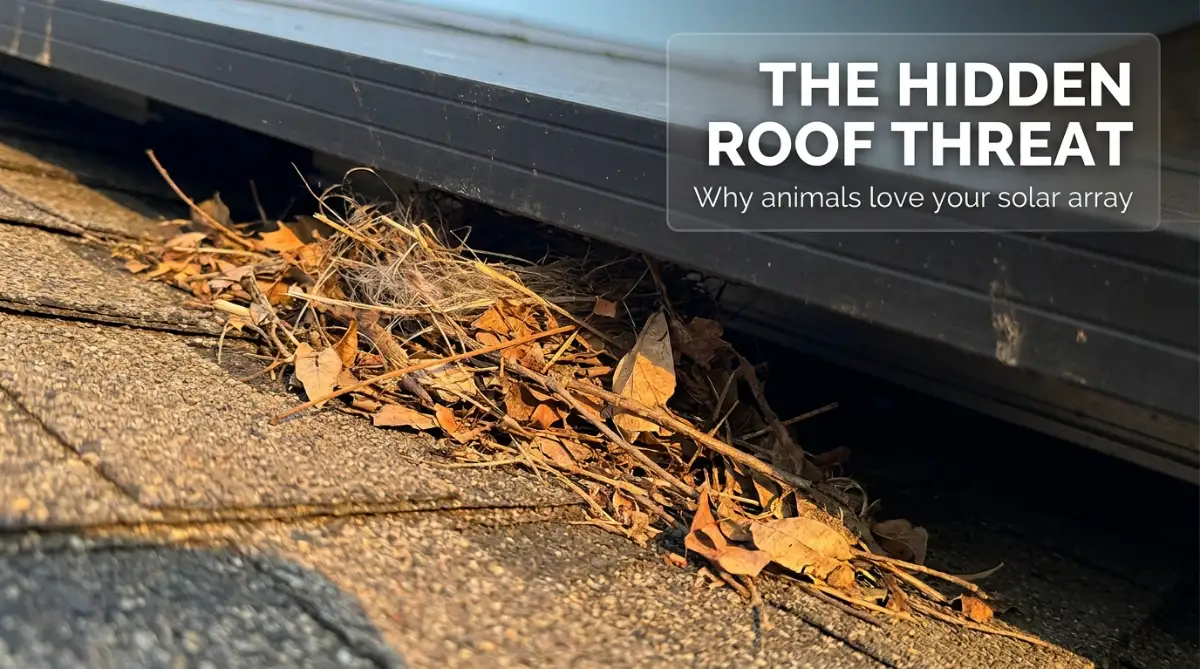
The reality hit me hard when I saw the absolute mess hiding just out of sight. Pigeons and squirrels had basically turned the tight, warm space beneath my expensive solar panels into a luxury apartment complex.
There were piles of dry twigs, massive amounts of corrosive bird droppings, and leaves tightly packed against the wiring. Dealing with this unexpected invasion completely ruined my peace of mind.
I was constantly worried about fire hazards, chewed wires, and the disgusting mess sliding down into my gutters after every rainstorm. You invest heavily in green energy, hoping to save money and help the environment.
Instead, you end up feeling like you are running a wildlife rescue center right above your head. The stress of knowing that tiny animals are slowly damaging your expensive investment is incredibly frustrating.
Many homeowners completely overlook this problem until their energy output suddenly drops or a major system error pops up on their inverter screen. By the time you notice the warning signs, the damage is often already done.
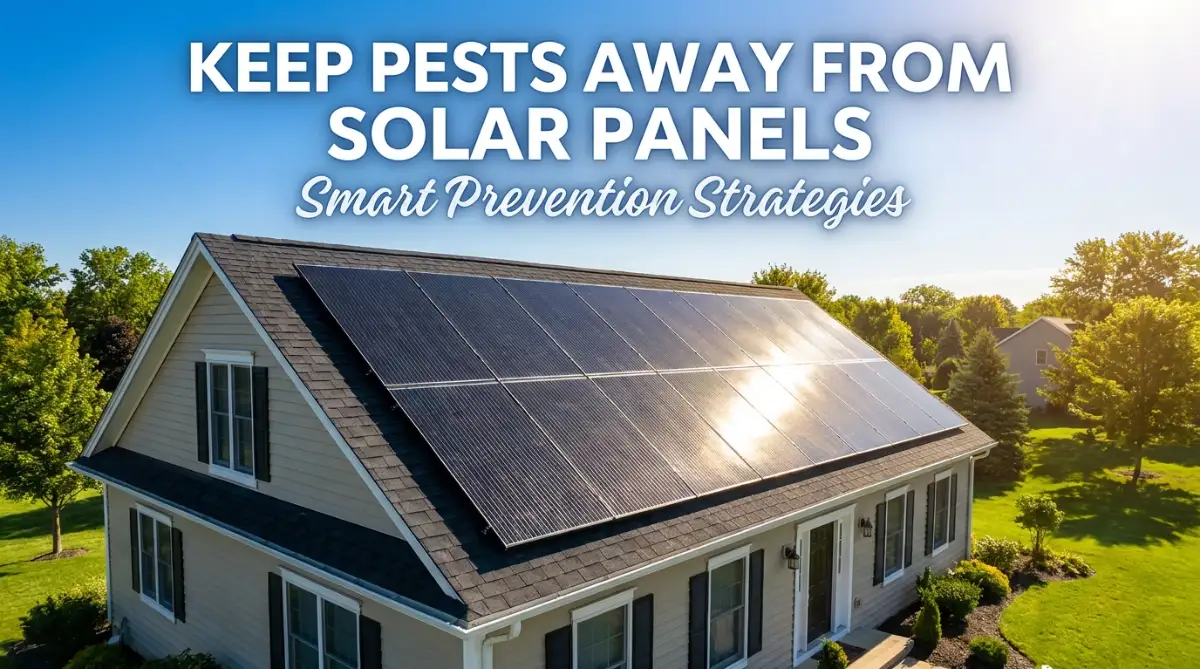
Pests love the gap between your panels and the roof because it offers the perfect shelter from harsh weather and dangerous predators. The panels absorb heat from the sun, creating a surprisingly cozy environment for pigeons, raccoons, and rodents.
When these animals move in, they bring along a host of massive problems. Their highly acidic droppings can permanently stain and eat away at your roofing materials.
Even worse, squirrels and mice have a natural habit of chewing on things to file down their teeth. Unfortunately, your exposed solar cables look like the perfect chew toys to them.
Once those protective wire casings are gone, you are facing a severe fire hazard and thousands of dollars in emergency electrical repairs. It is a stressful, overwhelming situation that no homeowner wants to deal with.
Why Your Home Feels Like a Target
Before we talk about exactly how to fix this mess, it helps to understand why these animals chose your specific house in the first place. Animals are instinctively driven by a few basic needs: warmth, safety, and a good spot to raise their babies.
Your solar array creates an artificial canopy that meets every single one of those needs perfectly. It blocks the wind, stops the rain, and hides them from hawks or owls flying overhead.
If you have nearby tall trees, bird feeders, or open trash cans, you are basically rolling out the red carpet for them. The easy access to food combined with a premium rooftop shelter makes your property irresistible.
Many people assume that a steep roof pitch will keep animals away naturally. That is a completely false assumption.
Birds and nimble rodents have absolutely no problem navigating steep shingles. If there is a gap large enough for them to squeeze through, they will find it and claim it as their own.
Proven Strategies to Reclaim Your Roof
Now that we understand the exact nature of the problem, let's explore how to permanently evict these unwanted guests. The goal here is not just to chase them away for a few days, but to make your roof physically impossible to penetrate.
You need to create a barrier that holds strong against harsh weather and persistent animals. Here is exactly how you can protect your investment and sleep peacefully again without worrying about roof damage.
Install a Heavy-Duty Physical Barrier
The absolute most effective way to stop animals from getting under your panels is to block the entrance completely. You cannot rely on smells or sounds alone; you need a hard, physical wall.
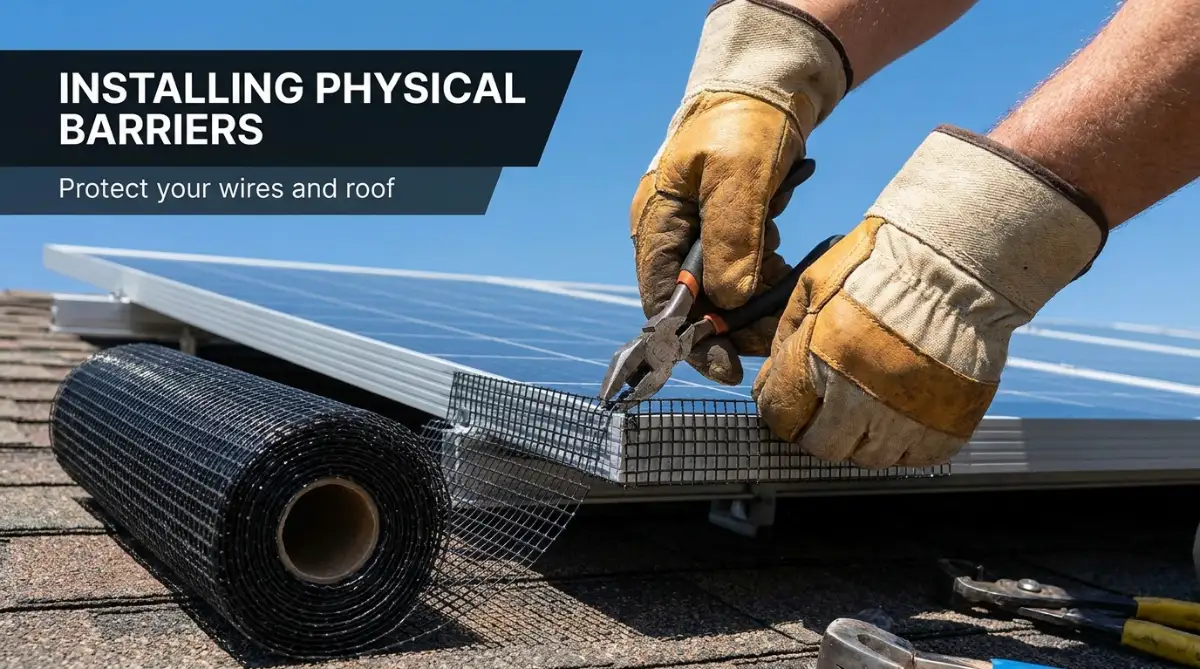
This is where a specialized wire mesh, often called a critter guard, comes into play. It acts like a custom-fit fence wrapping entirely around the perimeter of your solar array.
Watch This Before Installing Your Barrier!
If you are thinking about tackling this project yourself, seeing the exact clip installation process in action is highly recommended. Check out this incredibly helpful video below to see exactly how professionals secure the mesh without drilling a single hole in the panels.
When shopping for wire mesh, you must be very careful about the material you choose. Do not buy cheap, untreated chicken wire from the local garden center.
Untreated wire will quickly rust, leave ugly orange stains running down your roof, and eventually fall apart. You need to look for high-quality, galvanized steel mesh that is heavily coated in black PVC.
The black PVC coating makes the wire blend in perfectly with the shadows under your panels, keeping your home looking beautiful. More importantly, the thick metal core is tough enough to stop a determined squirrel from chewing its way inside.
My biggest personal realization came after buying a cheap plastic netting online just to save a few bucks. I quickly learned that plastic mesh is completely useless; squirrels chewed right through it within three days, and I had to start the entire difficult process over from scratch. Always invest in thick metal wire from the very beginning.
To install this mesh safely, you will use specially designed tension clips. These smart little fasteners hook directly onto the aluminum lip of your solar panels.
They hold the wire tightly against the roof shingles without requiring any drilling or screws. Drilling holes into your panel frames will instantly void your expensive manufacturer warranty, so always use the correct tension clips.
Clean the Area Thoroughly Before Sealing
Imagine locking the doors to your house while a wild animal is still stuck inside the living room. That is exactly what happens if you install a wire barrier without cleaning under the panels first.
Before you even think about attaching the mesh, you must carefully remove every single piece of nesting material. If you skip this step, trapped animals will panic and chew through your expensive roof materials trying to escape.
Start by gently flushing out the area using a garden hose with a low-pressure nozzle. Never use a high-pressure power washer near your solar panels, as the extreme force can easily damage the delicate wiring and water seals.
If there are heavy, stubborn nests stuck tight against the wires, use a long, flexible grabber tool to pull the debris out slowly. Be incredibly gentle to avoid yanking or disconnecting any active electrical cables.
Once the bulk of the mess is gone, you should sanitize the area to remove the lingering scent of the animals. Pigeons and squirrels leave behind strong pheromones that naturally attract other pests to the exact same spot.
Using a simple mixture of warm water and mild, eco-friendly soap is usually enough to wash away these smells. Make sure the entire roof area is completely bone dry before you begin securing your wire mesh barrier.
Strategic Use of Visual and Physical Deterrents
While a strong wire mesh is your main line of defense, adding secondary deterrents can make your roof even less appealing. You want to make the entire environment feel hostile and uncomfortable for passing birds.
Reflective objects are an old but incredibly effective trick to scare off flying pests. Birds have highly sensitive eyes, and sudden flashes of bright light disorient them, making them too nervous to land.
You can install small reflective spinners or holographic bird tape on the highest points of your roof, away from the panels. The wind will catch these items, creating random flashes of light that keep pigeons completely away from your property.
Another highly effective option is the strategic placement of bird spikes. Now, I know what you are thinking—spikes sound aggressive and look ugly.
However, modern bird spikes are made of clear polycarbonate plastic and are virtually invisible from the ground. You do not place these directly on your solar panels.
Instead, you glue them to the roof ridges, chimney caps, and gutter edges where birds love to sit and survey the area. If they cannot find a comfortable place to land and rest, they are much less likely to try investigating your solar array.
Maintain a Strict Trimming Schedule
Sometimes, the root cause of your roof problem actually starts in your backyard. Large, overhanging tree branches are basically superhighways for squirrels and raccoons.
If a branch reaches within ten feet of your roof, an agile squirrel can easily make the jump. Once they land on the shingles, it is only a short walk over to the warm shelter of your panels.
You need to walk around your house and critically evaluate your landscaping. Any branches that hang directly over the house or come too close to the gutters need to be trimmed back significantly.
Keeping trees trimmed not only stops animal access but also greatly improves the efficiency of your solar system by reducing shadows. It is a win-win situation for your energy bill and your home security.
Myth vs. Reality in Roof Pest Control
There is a lot of terrible advice floating around the internet about how to handle this specific issue. Let's clear up some common misunderstandings so you do not waste your hard-earned money.
The Myth: Fake plastic owls will scare away all the birds on your roof forever.
The Reality: Birds are surprisingly smart creatures. They might be scared of a plastic owl for the first few days. However, once they realize the owl never moves, blinks, or makes a sound, they will completely ignore it. I have actually seen pigeons sitting directly on top of a fake owl.
The Myth: Spraying strong chemicals or peppermint oil under the panels will keep pests away permanently.
The Reality: Scent-based repellents wash away almost immediately during the first rainstorm. Even on dry days, the hot sun beating down on the roof will cause the oils to evaporate rapidly. You would have to climb up and reapply the spray every single week, which is completely unrealistic and dangerous.
The Myth: If I just ignore the small birds, they will eventually leave on their own when winter comes.
The Reality: Solar arrays actually retain heat extremely well. Instead of leaving during the cold months, animals will dig deeper under the panels to stay warm. The longer you wait, the bigger the nest becomes, and the more likely you are to suffer permanent wire damage.
A Quick Comparison of Barrier Materials
To make things extremely clear, here is a breakdown of what materials you might encounter when shopping for a solution:
Choosing the right material from this list will save you a tremendous amount of time and frustration down the road. Always prioritize strength and weather resistance over saving a few quick pennies at the hardware store.
Keep Up With Routine Visual Inspections
Even after you have installed the perfect wire mesh and trimmed all your trees, your job is not entirely finished. Mother Nature is incredibly persistent, and strong storms can sometimes loosen clips or shift the protective barrier.
You do not need to climb onto the roof every weekend, but you should make a habit of doing a visual check from the ground. Grab a pair of binoculars and walk around your house once every couple of months.
Look closely at the bottom edges of the solar array to ensure the black wire mesh is still sitting flush against the roof tiles. If you notice any bent wires, loose clips, or a random accumulation of leaves, you need to address it immediately.
Catching a small gap early stops a new family of pigeons from moving in and starting the miserable cycle all over again. A quick five-minute visual inspection from your driveway is the ultimate secret to long-term success.
Advanced Methods for Long-Term Solar Protection
Once you have installed a basic physical barrier around your panels, you might think the battle is entirely won. However, smart homeowners know that true success comes from a few extra layers of ongoing defense.
Pigeons and squirrels are incredibly stubborn creatures that will test your defenses regularly. If they find even the slightest weakness in your setup, they will exploit it immediately.
One of my biggest secrets to keeping my roof completely clear is actively managing the environment around the house. You have to think about what is attracting these animals to your property in the first place.
If you have a beautiful bird feeder hanging right next to your back porch, you are unknowingly inviting trouble. Birds will come for the free seeds and then look up at your warm solar panels for a comfortable place to sleep.
I highly recommend moving all bird feeders to the absolute furthest corner of your yard, or taking them down entirely. You should also ensure your outdoor trash cans have tight-locking lids so raccoons and squirrels cannot scavenge for leftover food.
Another highly effective trick is to carefully monitor your daily energy production through your smartphone app. Most modern inverters provide detailed data about exactly how much power each individual panel is generating.
If you suddenly notice one specific panel dropping in efficiency, it might not be a technical glitch at all. Often, this drop happens because a bird has built a thick nest directly underneath that specific spot.
The nest stops normal airflow, causing the panel to overheat and lose its ability to generate maximum power. According to national experts who study maintaining optimal solar energy output, excessive heat buildup is one of the biggest enemies of solar efficiency.
Catching these sudden power drops early allows you to investigate the roof before any permanent wire damage occurs. It is basically an early warning system that you already have built right into your home.
You also need to pay close attention to how rainwater flows off your roof during heavy storms. Pigeons absolutely love standing water, and blocked gutters create the perfect drinking fountain for them.
Make sure you clean your gutters at least twice a season so water flows smoothly away from the roofline. If your roof stays dry and uninviting, these annoying pests will simply move on to a different house in your neighborhood.
It is also incredibly helpful to have a friendly conversation with your next-door neighbors about the wildlife situation. If your neighbor is actively throwing breadcrumbs on their lawn every morning, your roof will unfortunately suffer the consequences.
Politely explaining the expensive damage these animals can cause might convince them to stop the open feeding. Building a cooperative neighborhood strategy is often the most permanent way to keep the local pest population under strict control.
Finally, do not underestimate the power of a professional soft-wash cleaning for your panels. A clean, shiny panel reflects maximum sunlight, creating a bright glare that naturally makes birds uncomfortable.
When your setup is covered in dust, pollen, and leaves, it looks dull and feels much more like a natural part of the forest. Keeping that sleek, modern glass finish is a simple visual deterrent that actually works wonderfully.
The Most Dangerous Mistakes Homeowners Make
When you are desperately trying to stop loud scratching noises above your bedroom, it is very easy to panic. Unfortunately, panicking usually leads to terrible, rushed decisions that can severely damage your expensive property.
I have seen countless homeowners try to take shortcuts, only to end up with a much bigger disaster on their hands. Let me walk you through the absolute worst mistakes you can make, so you can easily avoid them.
The single biggest error is ignoring the problem and simply hoping the animals will leave on their own. Many people assume that birds only nest during the spring and will fly away when the weather gets slightly cold.
This is a complete misunderstanding of the natural nesting habits of local birds and local rodents. Your solar array actually absorbs and holds heat, creating a beautifully warm winter cabin for them.
The longer you wait to fix the issue, the more generations of animals will be born directly on top of your roof. Eventually, the massive accumulation of highly acidic droppings will start to slowly eat right through your asphalt shingles.
Another incredibly common mistake is trying to seal the gaps with expanding foam or silicone caulking. I completely understand the temptation; spray foam is cheap, easy to use, and seems like a quick fix.
However, your panels absolutely need open airflow underneath them to cool down during hot summer afternoons. If you block that airflow with solid foam, the extreme heat will easily fry the sensitive internal components.
Using unauthorized materials like spray foam will instantly void your expensive equipment warranty. Plus, determined squirrels can chew right through dried foam in a matter of minutes, leaving an incredibly ugly mess behind.
Homeowners also frequently make the dangerous mistake of trying to walk on their steep roofs without any proper safety gear. It is extremely easy to lose your footing on loose leaves or smooth roof tiles, leading to a life-changing fall.
Even if you manage to keep your balance, putting your heavy body weight directly onto a solar panel frame will cause microscopic cracks in the glass. These tiny cracks severely reduce energy output and can eventually cause the entire panel to completely fail.
Always follow standard residential roof safety guidelines and seriously consider hiring a trained professional for high-angle work. Saving a little bit of money on labor is never worth risking a trip to the emergency room.
I also see people rushing to install heavy metal wire without checking the actual health of their roof tiles first. If your shingles are already curling, brittle, or leaking, installing a tight metal guard over them is a terrible idea.
You never want to trap an existing problem under a brand-new metal fence. This is exactly why experts constantly warn about the hidden dangers of installing solar panels on an aging residential roof structure without doing a thorough inspection beforehand.
If you have to replace your roof next year anyway, you will have to pay someone to completely remove and reinstall your new critter guards. Always fix the foundation before you start building your defenses.
Another subtle mistake is letting yourself get overwhelmed by all the sudden home maintenance issues piling up. Dealing with roof pests can feel just as frustrating and complicated as trying to figure out what really causes electric vehicle battery degradation when you first buy a green car.
It feels like there are a million hidden rules you never knew about until something breaks. But if you take a deep breath and handle the problem logically step-by-step, it is entirely manageable.
Sometimes, ignoring these home maintenance issues can even impact your broader financial plans. A heavily damaged roof with chewed electrical wiring will instantly fail a standard home appraisal inspection.
If you are currently trying to figure out how to unlock your home's equity even if your finances are struggling, a pest-infested roof will completely block your loan approval. Protecting your physical property is the exact same thing as protecting your financial future.
Finally, do not rely on cheap plastic fake owls or ultrasonic noise machines you found on the internet. These gimmicks might work for exactly two days before the local wildlife realizes they are completely harmless.
You might as well be throwing your hard-earned money directly into the garbage can. Stick to strong, physical metal barriers and clean environmental habits for permanent peace of mind.
Taking Action for a Peaceful, Protected Home
Dealing with an unexpected animal invasion on your roof is undoubtedly one of the most frustrating parts of homeownership. It disrupts your sleep, threatens your expensive investments, and creates an ongoing sense of anxiety.
However, by understanding exactly why these animals are attracted to your setup, you gain the power to stop them permanently. You are no longer just hoping for the best; you are actively taking control of your property.
The secret is to combine a tough physical wire barrier with smart daily habits like keeping your gutters perfectly clean. When you remove their access to shelter, food, and water, your home becomes a place they simply want to avoid.
Think of this process as a completely necessary upgrade to your original green energy investment. Just as you protect your computer from digital viruses, you must focus on protecting residential solar investments from natural physical threats.
It might take a weekend of hard work or a small investment in a professional installation team, but the long-term relief is incredible. You will finally be able to sit in your living room during a heavy rainstorm without wondering if your roof is slowly failing.
Do not let tiny birds and rodents ruin the amazing benefits of generating your own clean power. By taking these simple, proactive steps today, you ensure that your system will run beautifully and efficiently for decades to come.
I know exactly how overwhelming home maintenance can feel when everything seems to go wrong at once. Sometimes the frustration reminds me of the annoyance of figuring out why your smartwatch keeps dying and hidden settings you need to change—it is just one more complex thing demanding your attention.
Or maybe it feels as stressful as trying to learn how to protect your personal assets from business loan risks when the stakes are high. But I promise you, once that black wire mesh is securely locked in place, a massive weight will immediately lift off your shoulders.
I learned the hard way that putting this off only makes the eventual cleanup ten times more disgusting and expensive. Take action this week, get your property secured, and go back to enjoying the quiet, comfortable home you truly deserve.
Common Questions About Roof Pest Protection
Does installing a wire barrier void my solar panel warranty?
If you use the correct tension clips that securely hook onto the frame, it will not void your equipment warranty. However, if you or a contractor drill any screws or holes directly into the metal panel casing, the manufacturer will immediately cancel your coverage. Always insist on using a strict no-drill clipping method for any installation.
Can I just use regular chicken wire to save some money?
Using raw, uncoated chicken wire is a very bad idea for long-term roof protection. The thin metal will rust very quickly after a few rainstorms, leaving ugly brown water stains running down your exterior walls. You always want to use thick, galvanized steel mesh heavily coated in black PVC plastic for maximum durability.
How much does it typically cost to hire a professional for this?
The overall cost usually depends on the size of your specific roof and how steeply pitched it is. Generally, most homeowners spend anywhere from $500 to $1,500 for a complete, professional cleaning and heavy-duty wire installation. While it seems like a big expense upfront, it is much cheaper than replacing chewed electrical cables or repairing a terrible house fire.
Will bird spikes placed directly on the panels work?
You should never glue or tape heavy plastic bird spikes directly onto the delicate glass surface of your expensive equipment. Spikes create permanent shadows that block the sun, which immediately ruins the energy efficiency of that specific panel. Spikes should only be used on completely separate areas like your chimney, gutters, or the very top ridge of the roof.
Are those ultrasonic pest repeller devices actually effective outside?
Those high-frequency noise machines are generally a complete waste of money when used in a wide-open outdoor environment. The sound waves scatter too quickly in the wind, and most determined squirrels will simply ignore the slight annoyance if they have a warm nest waiting for them. A strong, physical metal wall is the only truly reliable way to keep them completely out.
Disclaimer: The information provided in this blog post is for general educational and informational purposes only. Every home roof and solar panel setup is completely different, and local safety regulations may vary. Always consult with a certified roofing professional or your original solar installation company before attempting any DIY maintenance or modifications to your electrical systems.