The Hidden Nightmare of Owning an Electric Car
Thought you bought a maintenance-free magic car when you switched to electric? I made that exact same mistake. I treated my new EV like a giant smartphone on wheels, right up until a massive repair bill hit me for ruining the electric motor. Let's talk about the everyday driving habits that are secretly tearing your drivetrain apart and how you can fix them today.
My lazy habits finally caught up with me in the form of a strange, loud whining noise coming from the rear axle. The local mechanic handed me a massive repair estimate and explained that my daily driving style was slowly tearing the electric motor apart from the inside. I felt so incredibly embarrassed and frustrated, especially since I knew the damage was entirely my own fault.
That expensive wake-up call made me realize I was definitely not alone in this stressful situation. Thousands of regular electric car owners are accidentally ruining their vehicles right now without having a single clue. We usually buy these cars for ultimate peace of mind, believing we are finally escaping the endless repair cycles of traditional gas engines.
Instead, many of us end up feeling trapped in a completely new kind of daily anxiety. We constantly stress over strange hums, unexpected power drops, and the terrifying thought of having to replace an entire electric drivetrain entirely out of pocket. The massive financial burden of a ruined motor can easily wipe out your hard-earned savings in a single afternoon.
Protect Your EV Motor (Quick Action Checklist):
- Stop flooring the pedal at every red light; instant torque creates massive heat that burns motor insulation.
- EVs still have cooling fluids! Ignoring them will literally melt your internal engine components.
- Turn down regenerative braking when your battery is 100% full to avoid stressing the inverter.
- Never drive through deep puddles—water easily bypasses motor seals and destroys the gear lubrication.
The Silent Motor Killers You Must Stop Today
The absolute reality is that electric drivetrains are highly engineered pieces of technology, but they are certainly not indestructible magic boxes. They still contain spinning metal parts, strict thermal limits, and specific operational needs that demand our proper attention. Let us explore exactly what we are doing wrong every single day and how to easily fix these issues starting right now.
The Addiction to Instant Torque Abuse
One of the biggest selling points of any modern electric car is the thrilling ability to accelerate instantly. You press the pedal, and the car launches forward like a high-speed roller coaster. It feels amazing, and I used to show off this exact feature to every single friend who got into my passenger seat.
However, treating every single red light like a professional drag racing strip is a terrible idea for your internal components. When you smash the accelerator pedal to the floor, you are sending a massive, sudden surge of electrical current directly into the motor coils. This creates an extreme amount of instant heat inside the hardware.
Over time, this intense heat expansion severely stresses the protective insulation wrapped around the copper wiring inside the engine. If you constantly push the car to its absolute limits while the internal components are still cold, that insulation can slowly begin to crack. Once that protective layer is compromised, your motor is living on borrowed time.
Myth vs. Reality: The "Warm-Up" Rule
- The Myth: Electric cars don't need to warm up at all, so you can floor it immediately out of your driveway.
- The Reality: While you don't need to idle, the metal gears and cooling fluids inside your motor are physically stiff when cold. Stomping the pedal early in the morning causes microscopic metal shaving. Drive like a normal person for the first 5 minutes to let the fluids flow smoothly!
Myth vs. Reality in EV Acceleration
There is a very common myth floating around that electric motors never need to "warm up" like traditional gas engines. While it is true that you do not need to sit in your driveway for ten minutes idling, the physical metals inside the drive unit still need time to reach optimal operating temperatures.
Cold metal is stiff, and sudden intense friction can cause microscopic wear and tear on the internal gear bearings. You should always drive gently for the first few miles of your journey. Give the internal fluids and spinning parts a fair chance to circulate properly before you decide to test out the maximum speed.
By simply easing into your daily commute, you are drastically reducing the mechanical stress on the entire drivetrain system. Your tires will last much longer, your passengers will definitely feel more comfortable, and your expensive drive unit will survive for many years to come.
Forgetting About the Liquid Cooling System
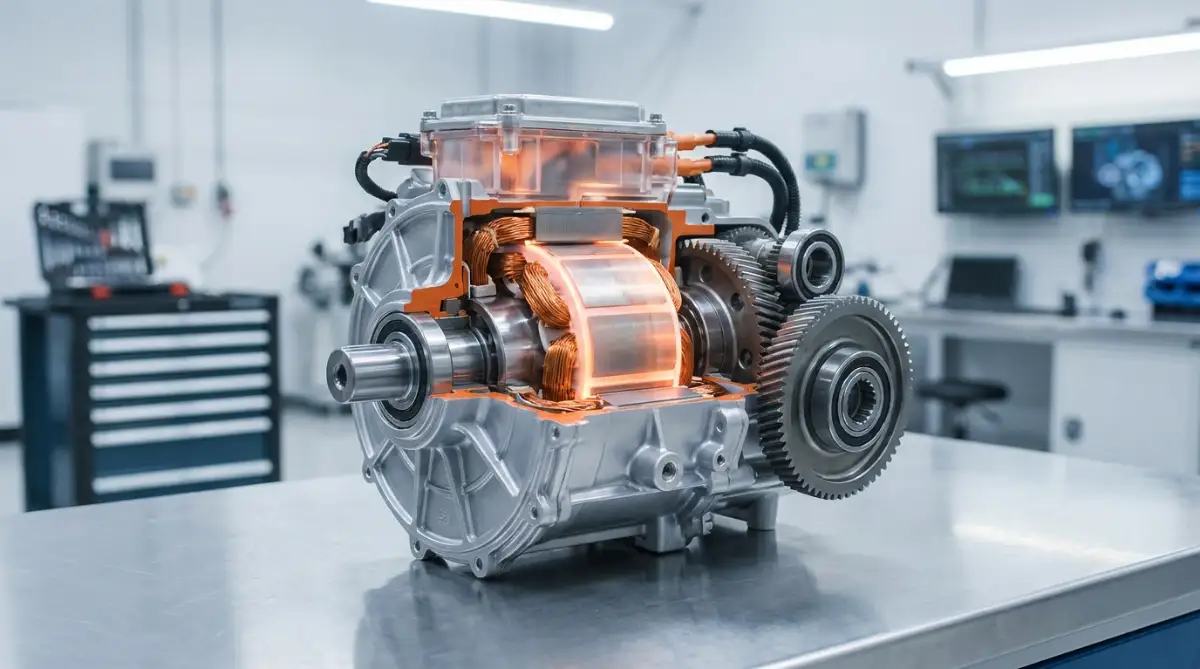
Because electric cars do not require standard oil changes, many owners assume there are completely zero fluids to worry about under the hood. This is a massive, incredibly expensive misunderstanding. High-performance electric motors actually generate a shocking amount of heat during normal operation.
To stop the system from melting down, manufacturers use a highly specialized liquid cooling system that constantly circulates throughout the battery and the drive unit. Think of this fluid like the sweat on a marathon runner. It pulls the dangerous heat away from the working muscles so the runner does not collapse on the track.
If you completely ignore this thermal management system, the fluid can slowly degrade or leak out over time. When the motor cannot cool itself down efficiently, it is forced to operate at dangerously high temperatures. Running your vehicle with degraded cooling fluid will slowly cook your internal magnets and sensors, leading to total motor failure.
If you want a simple explanation of how these fluids work to protect your expensive ride, check out this amazing breakdown below.
Watch exactly what happens to an electric car engine when the internal cooling system is completely neglected.
Taking a few minutes to check your fluid levels or having a professional inspect your thermal system once a year is an absolute necessity. You do not need to become a certified mechanic to simply ask a service center to test your coolant lines. It is a tiny, inexpensive check-up that provides massive protection.
Misusing the Regenerative Braking Features
Regenerative braking is arguably one of the coolest technological features in the modern automotive industry. When you lift your foot off the accelerator, the motor instantly runs in reverse to slow the car down. This brilliant process captures wasted energy and aggressively sends it back into your main battery pack.
Many drivers absolutely love setting this feature to the highest possible level so they never have to touch the actual brake pedal. While one-pedal driving is highly convenient, abusing it in the wrong situations can secretly damage your system.
When your battery is completely charged to its maximum limit, it physically cannot accept any more incoming power. If you try to force heavy regenerative braking on a perfectly full battery, the system gets confused and heavily stressed. The motor is trying to push electricity into a wall, generating unnecessary heat and electrical resistance in the drive unit.
I actually ruined my original brake pads by relying entirely on heavy regenerative braking during the winter, causing my physical brakes to rust and seize up from zero use. Now, I always make sure to physically step on the brake pedal firmly at least once a day to keep the mechanical parts moving and prevent dangerous rust buildup.
My Personal 3-Second Regen Braking Rule:
I learned this the hard way: if your battery is over 95% full, always turn your regenerative braking down to "Low." Trying to push heavy regen energy into a completely stuffed battery forces the power inverter to fight against itself, generating a ton of bad heat that slowly cooks your system.
Adapting to the Environment
You also need to adjust your braking habits based on the weather outside. Using aggressive regen on extremely icy or slippery roads can actually cause your tires to lose traction. The sudden resistance from the motor acts just like slamming on the emergency brake, potentially sending you into a dangerous spin.
Smart drivers learn to actively adjust their settings based on their current driving environment. Turn the heavy regeneration down slightly when you have a fully charged car or when the weather is terrible. Treat your settings like a volume knob, not a permanent switch.
This tiny change in your daily routine ensures that the energy flow remains incredibly smooth and safe. Your drive unit will not have to fight against immense electrical pressure, and you will maintain much better physical control over the vehicle in bad weather.

Treating Your EV Like a Waterproof Submarine
Electric vehicles are generally sealed much better than traditional gas cars. Because there is no standard air intake or exhaust pipe, people falsely believe their electric car can drive through massive floods without any consequences. I have seen countless videos online of drivers confidently plowing their expensive cars through deep standing water.
This is a terrible mistake that can easily destroy your entire drivetrain in a matter of seconds. While the high-voltage battery pack is strictly sealed against moisture, the physical breathers and seals around the electric motor are not meant for deep-sea diving.
When you drive rapidly through deep puddles, the massive force of the water can easily push past the protective rubber seals on the drive unit. Once dirty water mixes inside the internal gear casing, it immediately ruins the lubrication properties of the protective fluids.
The delicate metal gears will instantly start grinding against each other with zero protection. Even worse, if moisture touches the high-voltage electrical connectors, it can trigger permanent short circuits that permanently fry the internal control boards.
Smart Driving in Heavy Rain
Always treat deep water on the road with extreme caution. If you absolutely cannot clearly see the bottom of a puddle, do not risk driving your expensive machine through it. Turn around and find a much safer, drier route to your destination.
If you are ever forced to cross standing water during a bad storm, do it at a crawling speed. Pushing through water quickly creates a large wave that pushes moisture directly up into the sensitive undercarriage areas. Driving slowly minimizes the water pressure against your seals.
By simply respecting the physical limits of your vehicle's weatherproofing, you prevent catastrophic water damage. Your daily commute might take an extra five minutes, but you will completely avoid a devastating repair bill that insurance might refuse to cover.

Ignoring the Warning Sounds
Electric cars are famous for being incredibly quiet on the road. Without a loud roaring engine covering up the noise, you can hear every single tiny squeak, rattle, and hum. Unfortunately, many drivers choose to turn the radio volume up instead of actually listening to what their car is trying to tell them.
A healthy electric drive unit should produce a very smooth, consistent, and futuristic humming sound. If you suddenly start noticing a harsh grinding noise, a high-pitched clicking, or a deep vibration coming from the floorboards, something is definitely wrong.
These unusual sounds are usually the very first physical indicator that your internal gear bearings are starting to fail. Catching these strange noises early is the absolute key to saving your motor from completely destroying itself on the highway.
Whenever you pull out of your neighborhood, occasionally roll your windows down and turn the music off completely. Pay close attention to how the vehicle sounds when you accelerate and when you slow down. Getting familiar with the normal, everyday sounds of your machine is your best defense against unexpected mechanical failures.
Leveling Up Your Daily Drive: Secrets from the Mechanics
Taking care of your modern electric machine goes far beyond just plugging it in at night and hoping for the best. To truly protect your expensive internal components, you need to start thinking exactly like an advanced engineer. The good news is that you do not need a fancy degree to master these advanced driving habits.
One of the biggest secrets in the industry is treating your vehicle software with the exact same respect you give to the physical hardware. Your car is essentially a massive rolling computer, and the software directly manages how much electrical pressure the drive unit experiences. Many owners completely ignore those annoying software update notifications on their dashboard.
Skipping software updates is basically running your engine on an outdated brain. Manufacturers constantly analyze data from thousands of vehicles to release patches that optimize fluid pump speeds and thermal management limits. When you delay these updates, you are forcing your motor to run on older, less efficient cooling maps. Just like figuring out why your smartwatch keeps dying usually comes down to hidden background settings, extending your vehicle's lifespan relies entirely on running the latest optimal software.
If you want a deeper look at how software impacts automotive engineering, you can explore the technical mobility standards published by SAE International. They explain exactly how digital programming regulates physical mechanical stress on modern roads.
The Art of Pre-Conditioning Your Machine
Another incredibly powerful habit is mastering the art of cabin and battery pre-conditioning. Before you leave for work on a freezing cold morning, use your smartphone app to warm up the vehicle while it is still plugged into the wall. Most people only do this to ensure their seats are nice and warm.
However, this simple morning routine actually saves your drive unit from immense mechanical trauma. When you pre-condition the car, the system automatically pumps warm fluid through the battery and the motor block. By the time you pull out of your driveway, all the internal metal gears and lubricants are already sitting at their absolute perfect operating temperature.
This means you experience completely zero cold-start friction, which is the number one cause of microscopic metal wear. The National Renewable Energy Laboratory frequently publishes research showing how proper thermal management drastically reduces long-term component degradation. Warming up your machine while connected to the grid uses house electricity instead of forcing your cold battery to do all the heavy lifting.
Many homeowners even install dedicated power stations at their houses to handle this morning routine perfectly. If you are considering adding home charging capabilities using renewable energy, make sure you understand the risks of installing heavy solar equipment on an older roof before starting any construction. Protecting your car should never come at the cost of damaging your primary home.
Mastering the Highway Coasting Technique
When you are driving on open highways at high speeds, you need to rethink how you handle the accelerator pedal. A lot of drivers constantly feather the pedal, lightly pressing and releasing it every few seconds to maintain their speed. This nervous driving habit constantly switches the motor between driving forward and engaging the regenerative braking system.
This endless back-and-forth switching creates totally unnecessary heat inside the power inverter. The system has to constantly flip the flow of heavy electricity back and forth, hundreds of times a minute. Instead, try to keep your foot perfectly steady or rely on the adaptive cruise control features built into the car.
A steady, smooth flow of power keeps the electrical temperatures completely flat and predictable. Your passengers will enjoy a much smoother ride, and your internal hardware will experience significantly less electrical strain. Small, deliberate adjustments to your daily highway routine will easily add thousands of healthy miles to your drivetrain.
The Hidden Traps That Drain Your Wallet
Even with the best intentions, everyday people frequently fall into dangerous traps that silently destroy their electric drivetrain. These are the easily avoided mistakes that end up causing total mechanical failure, often right after the factory warranty completely expires. I have seen countless families devastated by massive repair bills simply because nobody ever taught them these basic ownership rules.
One of the most dangerous mistakes you can make is ignoring mismatched or uneven tire wear. In a traditional gas car, a slightly worn tire might just cause a small vibration in the steering wheel. But in a high-tech electric machine, the onboard computers are constantly monitoring the exact rotation speed of every single wheel.
If one tire is slightly smaller because the rubber is worn down, it spins slightly faster than the others. The highly sensitive electric motor interprets this tiny speed difference as a constant loss of traction. The drivetrain will actively fight against itself, constantly adjusting the power output thousands of times per mile to correct a problem that does not actually exist.
This creates immense, completely invisible strain on the differential gears and the main drive motor. The constant electronic corrections generate massive amounts of internal heat, slowly burning out the very expensive control modules. A simple problem with cheap rubber can quickly turn into a financial nightmare that ruins your monthly budget. Trying to recover from a massive engine replacement bill is just as stressful as trying to protect your personal assets from unexpected business debts. Always replace your EV tires in complete sets to keep the motor perfectly balanced.
The Danger of Heavy Towing Abuse
Another massive trap that catches new owners off guard is the temptation of towing heavy loads. Because electric cars have unbelievable pulling power, people naturally assume they can tow absolutely anything without breaking a sweat. It is incredibly common to see smaller electric SUVs pulling massive boats or overloaded camper trailers up steep mountain roads.
Just because the motor has the raw strength to pull a heavy trailer does not mean it has the cooling capacity to survive the trip. Pulling excessive weight forces the drive unit to pull a massive, continuous stream of raw electricity from the battery. This sustained high-power demand creates extreme heat that can easily overwhelm the standard liquid cooling loops.
If you push the system too hard for too long, the protective insulation inside the engine block will literally begin to melt. Once that internal wiring melts together, the entire drive unit is completely destroyed and must be replaced. To understand more about how heavy loads and extreme temperatures affect your whole system, read up on what really causes your power cells to degrade over time.
Always check your specific vehicle manual for strict towing limits, and never exceed them just because the car "feels" strong enough. If you are planning a heavy cross-country move, renting a dedicated gas truck is much cheaper than buying a brand-new electric motor.
Leaving the Vehicle at Extreme Charge States
How you park your car during extreme weather deeply impacts the health of your electric drivetrain. Many people come home from a long road trip with their battery sitting at just one or two percent and leave the car parked outside in the freezing cold overnight. They figure they will just plug it in the next morning when the sun comes up.
This is a terrible habit that secretly damages the power inverter attached to your drive unit. When a deeply empty battery sits in freezing temperatures, the voltage drops to incredibly unstable levels. The next time you turn the car on, the system struggles to push enough stable power to the motor, causing a stressful "brownout" effect on the delicate electronics.
The U.S. Department of Energy strictly recommends keeping your vehicle plugged in during extreme cold or heat, even if you are not actively charging. Leaving the car plugged in allows the thermal management system to use house power to keep the motor block and battery at a safe, stable temperature.
If you completely ignore this rule, the internal metal parts will contract heavily in the cold, causing rough friction the next time you drive. You would never treat a highly sensitive computer this poorly, and your expensive car deserves the exact same level of daily respect. If you recently got approved for your dream auto loan, protecting that huge investment should absolutely be your top priority.
Your Roadmap to a Stress-Free Driving Experience
Taking care of an electric drivetrain does not have to be a miserable, confusing chore. It simply requires shifting your mindset away from old gas-station habits and embracing a smarter, more mindful way of interacting with your machine. Every single time you step on the pedal smoothly, pre-condition your cabin, or check your tire pressure, you are directly investing in the future of your vehicle.
You now possess the exact knowledge needed to outsmart the common traps that ruin most electric motors. You understand the hidden dangers of deep water, the immense value of software updates, and the real reason why fluid maintenance still matters. These daily adjustments might seem incredibly small right now, but they compound over thousands of miles to save you an absolute fortune in future repair costs.
I personally spent an entire weekend completely rethinking my own driving habits after my first expensive mechanic visit, and the peace of mind I feel now is totally priceless. I challenge you to pick just one single tip from this guide today, like smoothing out your highway acceleration, and watch how much better your car feels tomorrow morning.
Common Questions About Protecting Your Drivetrain
How often should I check my electric car cooling fluids?
You should ideally have a professional mechanic check your thermal cooling loops at least once a year. While the fluid does not break down as fast as traditional engine oil, slow leaks can happen completely unnoticed. Catching a tiny leak early prevents a massive overheating disaster on the highway.
Can driving fast permanently ruin my electric motor?
Occasional bursts of speed are perfectly fine, but constantly driving at extremely high speeds generates excessive, continuous heat. If you push the car aggressively while the internal parts are still physically cold, you risk severely damaging the copper coil insulation. Always give the system time to warm up before driving aggressively.
Does one-pedal driving hurt the electric drivetrain?
One-pedal driving is perfectly safe and highly efficient in normal daily conditions. However, using heavy regenerative braking when your battery is completely full puts unnecessary electrical pressure on the power inverter. You should lower your regeneration settings slightly when starting a trip with a maximum charge.
Why does my electric car whine loudly when accelerating?
A very faint, futuristic hum is completely normal for a healthy electric vehicle. But if that hum suddenly turns into a harsh, loud, or grinding whine, your internal gear bearings are likely failing. You need to schedule a service appointment immediately before the entire unit grinds itself to pieces.
Can I drive my electric car through deep flooded streets?
Absolutely not. While the main battery is tightly sealed, the electric drive unit features mechanical breathers and seals that can easily fail under heavy water pressure. Forcing water inside the motor casing immediately ruins the lubricants and will permanently destroy the sensitive electrical connectors.
Disclaimer: The information provided in this article is for educational and informational purposes only and does not constitute professional mechanical, automotive, or financial advice. Electric vehicle specifications and maintenance requirements vary heavily by manufacturer and specific model. Always consult your official vehicle owner's manual or a certified dealership technician before making any modifications to your driving habits or maintenance routines. We are not responsible for any damage, loss, or injury resulting from the implementation of the practices discussed in this guide. External links provided do not imply an endorsement of the linked sites.