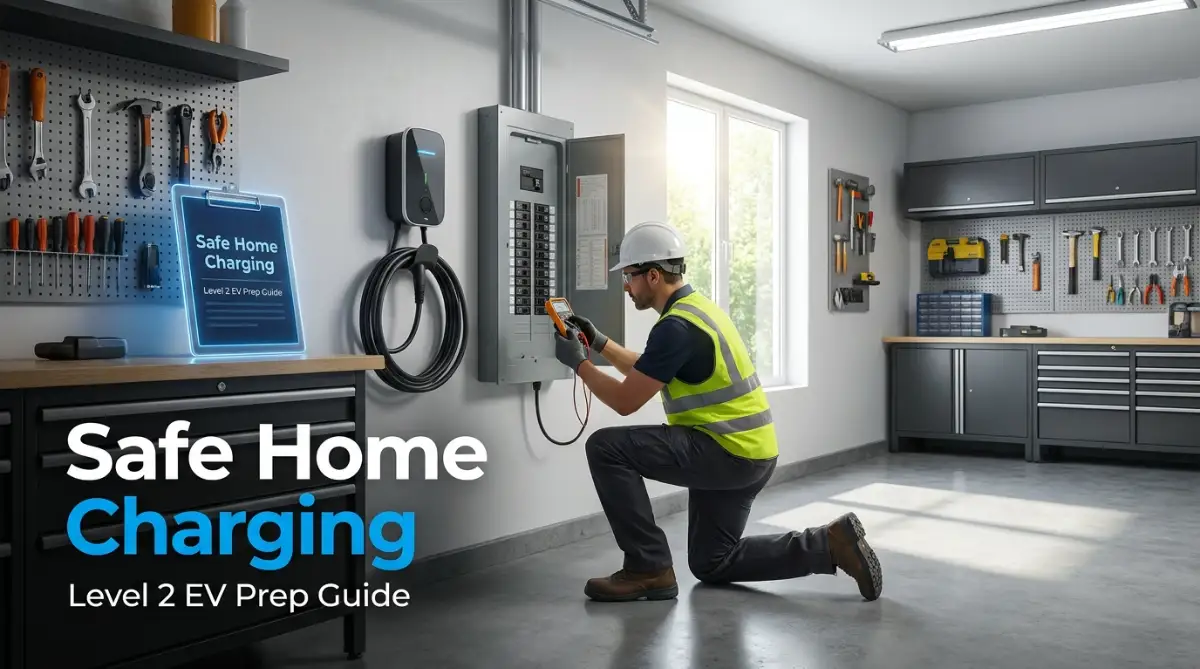
The Hidden Shock of Bringing Your New Electric Vehicle Home
Buying an electric car feels amazing until you plug it into a standard garage wall outlet and realize it will take three full days to charge. If you are reading this, you already know that a basic 120-volt plug is not going to work for your daily commute. You need a fast Level 2 charger, but opening up your home’s electrical panel probably feels like staring at a ticking time bomb. Do not worry—I am going to show you exactly how to safely prepare your garage power for high-speed charging without risking an electrical fire or wasting money on bad advice.
Instead, the dashboard told me it would take almost three full days to reach a complete charge at that terrible speed. I knew right then that I needed a much faster charging setup immediately if I wanted to actually drive the car to work. But when I confidently walked down to my basement and opened my main electrical panel, pure panic completely took over my mind.
I found myself staring blindly at a confusing, dusty maze of thick wires, tiny switches, and warning labels. I was absolutely terrified that adding a high-powered charging machine would overload the system and burn my entire house down. I honestly had no idea if my home could handle the massive amount of energy an electric vehicle demands.
This heavy feeling of confusion and fear is something thousands of normal people experience every single day. They buy a beautiful, silent new electric vehicle and assume charging at home will be as easy as plugging in a kitchen toaster. Then reality hits, and they realize their older house is completely unprepared for that intense level of continuous power draw.
🚀 Quick Summary: Preparing for Level 2 Charging
- Check Your Panel First: Always perform an 80% continuous load calculation before adding any new breakers to your home.
- Wire Thickness is Non-Negotiable: Use heavy-duty 8-gauge or 6-gauge pure copper wire to handle the intense heat safely.
- Skip the Plug: Hardwiring your charging unit is significantly safer and more reliable than using a standard plug-in wall outlet.
- Permits Save Homes: Never skip the local city inspection; it acts as your ultimate safety net against dangerous DIY wiring mistakes.
Decoding the Brain of Your House
Before you even look at buying a faster charging station, you have to understand the main control center of your home. Your electrical panel, usually located in a garage, basement, or utility room, is basically the brain of your entire house. It takes the massive power coming from the street and safely divides it into smaller, manageable chunks for your different rooms.
Most modern homes are built with what we call a 200-amp electrical service. This means the main pipe bringing power into your house can handle up to 200 amps of electrical current at any given time. However, many older homes built a few decades ago only have a 100-amp or even a 60-amp service panel.
Think of your electrical system like the plumbing in your house. The voltage is the actual water pressure pushing through the pipes. The amperage is the physical size of the water pipe itself. If you try to push too much water through a very small pipe, the pipe will eventually burst under the extreme stress.
Adding a high-speed car charger is like adding a massive, industrial waterfall to your home plumbing system. If your main panel only has a 100-amp capacity, and your oven, air conditioner, and clothes dryer are all running at the same time, your house is already maxed out. You simply cannot add a heavy car charger to that exact same system without doing a major panel upgrade first.
⚡ Quick Myth vs. Fact: Home Electrical Panels
- The Myth: I have an older 100-amp panel, so I absolutely must pay $3,000 for a heavy 200-amp upgrade to charge my car.
- The Fact: Not necessarily! If you use a smart power-sharing device, you can safely install a Level 2 charger on an older 100-amp panel by automatically pausing the car charge when your oven or dryer is running.
Performing a Safe Residential Energy Audit
You cannot simply guess how much power your house is using during a busy evening. You have to perform a highly accurate load calculation to see exactly how much spare capacity you have left in your panel. This mathematical calculation adds up the energy demands of every single major appliance in your home.
You have to account for the heavy hitters like your central air conditioning unit, electric water heater, stove, and clothes dryer. These appliances use 240-volt power and pull a massive amount of amps when they are running. Even if these items are not running 240 hours a day, the electrical code requires you to reserve space for them.
The national safety rules dictate that an electrical panel should never run at more than 80% of its maximum capacity for a long period of time. Charging an electric car is considered a "continuous load" because it pulls a heavy amount of power for three hours or more without stopping. Therefore, you must follow the 80% safety rule perfectly.
I completely ignored the 80% safety rule at first and just assumed my single open breaker slot meant I was perfectly fine to install whatever I wanted. I ended up constantly tripping the main power to the entire house whenever my wife ran the laundry dryer while the car was plugged in, which quickly taught me to always calculate the total running load first.
If your load calculation shows that your panel is already at 85% capacity, you have a few safe options. You can pay a professional to completely upgrade your panel to 200 amps, which gives you plenty of extra breathing room. Alternatively, you can install a smart power management device that automatically pauses your car charging whenever your oven or dryer turns on.
Watch this incredibly clear breakdown that explains exactly how to read your home electrical panel without getting confused.
The Massive Jump from 120 Volts to 240 Volts
The standard outlets you plug your phone charger or television into are 120-volt outlets. When you buy an electric vehicle, it usually comes with a basic charging cord that fits into these exact standard plugs. This is officially known as Level 1 charging, and it is incredibly slow.
Level 1 charging is basically like trying to fill up a giant backyard swimming pool using a tiny plastic drinking straw. You might only get three or four miles of driving range for every single hour the car is plugged into the wall. If you have a long commute, Level 1 will never be able to refill your battery overnight.
To get the fast charging speeds you actually want, you must upgrade to a Level 2 charging system. A Level 2 system requires a dedicated 240-volt circuit, which is the exact same type of heavy-duty power line used for a massive electric clothes dryer or a kitchen oven. This higher voltage pushes the energy into your car much faster, filling the battery completely while you sleep.
💰 Real-Life Upgrade Cost Expectations
To give you a clear idea of what to expect, here is what my own garage upgrade roughly cost me when I made the switch to Level 2:
- City Building Permit: $50 - $150
- Heavy-Duty Copper Wiring (8-gauge): $100 - $250 (Depends on distance)
- Licensed Electrician Labor: $300 - $600
- The Charging Unit Itself: $400 - $700
- Total Average Investment: $850 - $1,700
Instead of three miles per hour, a proper Level 2 setup can easily give you twenty to forty miles of range per hour of charging. This completely eliminates range anxiety because you start every single morning with a 100% full battery. However, you cannot just magically change a regular outlet into a 240-volt outlet; you need new, thicker wires run directly from your main breaker box.
Why Wire Thickness Matters More Than Anything
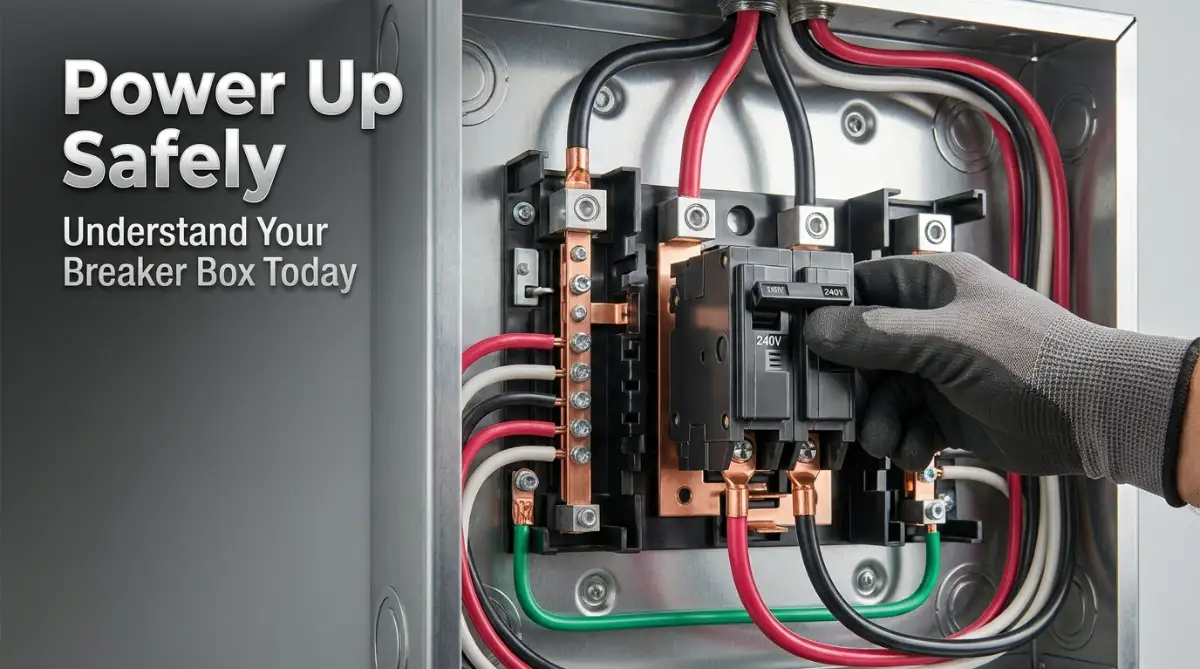
When electricity travels through a wire, it naturally creates physical friction, which generates heat. The more electrical current you try to push through a wire, the hotter that wire becomes. If a wire gets too hot, the plastic insulation wrapped around it will literally melt away, leaving exposed metal.
Exposed electrical metal inside your wooden house walls is exactly how devastating house fires start. To prevent this, you must use the correct thickness of wire for the specific amount of amps your car charger will pull. In the electrical world, wire thickness is measured by a system called American Wire Gauge (AWG).
The trick with AWG is that the smaller the number, the thicker the actual wire is. A standard bedroom outlet uses thin 14-gauge or 12-gauge wire because lamps and televisions use very little power. A Level 2 car charger pulling 40 amps requires a much thicker, heavier 8-gauge or 6-gauge wire to handle the intense heat safely.
You must also strongly insist on using pure copper wiring rather than cheaper aluminum wiring for your charger installation. Aluminum expands and contracts much more than copper when it gets hot and cold during a long charging session. This constant shifting can cause the connections to become dangerously loose over time, creating a major fire hazard.
Choosing Between a Plug-In Outlet or a Direct Connection
Once you have the correct thick wire running from your panel to your garage, you have to decide how to physically connect the charging station. You have two main choices here: installing a heavy-duty wall outlet or hardwiring the station directly to the power cables.
Many people choose to install a specific 240-volt outlet called a NEMA 14-50 receptacle. This is exactly what you see behind a large electric kitchen stove. The main benefit of this outlet is flexibility; if your charger ever breaks, you can simply unplug it and plug a new one right into the wall.
However, using a plug-in outlet comes with specific safety drawbacks. Modern electrical codes now require these large 240-volt garage outlets to be protected by a special Ground Fault Circuit Interrupter (GFCI) breaker. Sometimes, the GFCI safety breaker inside the main panel argues with the built-in safety sensors inside the car charger, causing nuisance tripping that stops your charge randomly.
Hardwiring the charging station is almost always the better, safer, and more reliable long-term option. Hardwiring means the thick power cables are connected directly to the internal terminals of the charging unit, with no external plug involved at all. This creates a much stronger electrical connection that handles high heat significantly better.
Hardwired units are also completely weatherproof, making them the only safe choice if you have to install the charger outdoors in the rain or snow. Because there is no physical plug outlet to protect, you usually do not need the expensive GFCI breaker in your main panel, which saves you money and prevents those annoying random power trips.
Smart Energy Management: Pro-Level Upgrades for Your Garage
Once you understand the basic power requirements of your house, you can start looking at some truly brilliant ways to manage that energy. You do not always need to spend thousands of dollars completely rebuilding your main electrical panel. Technology has advanced so much that we now have incredibly smart devices that manage heavy power loads automatically.
Many people assume that more raw power is the only way to charge a car quickly. In reality, managing the power you already have is a much smarter and highly cost-effective strategy. Let us look at a few expert-level secrets that will save you money while keeping your family entirely safe.
The Magic of Automatic Load Sharing Devices
If your load calculation shows that your home is completely maxed out, you might feel totally stuck. You might have an electric clothes dryer and an electric oven taking up all the spare room in your panel. This is exactly where a smart electrical splitter becomes your absolute best friend.
A smart splitter is a small, intelligent box installed between your main panel and your heavy appliances. It actively monitors how much electricity your house is using every single second. It automatically pauses your car charging the exact moment someone turns on the heavy clothes dryer.
When the laundry is completely finished and the dryer shuts off, the device senses the drop in power demand. It instantly turns the car charger back on without you ever having to press a button. This brilliant technology prevents your main breaker from tripping and perfectly satisfies the safety guidelines established by the Department of Energy for residential load management.
Mastering the Art of Off-Peak Charging Schedules
Your electrical system naturally works much harder during the early evening hours when you first get home from work. The lights are on, the oven is baking dinner, and the air conditioning is running at full blast. Plugging your car in during this high-demand window puts maximum stress on your main breaker box.
Instead of plugging in immediately, you should program your vehicle to only pull power during the middle of the night. You simply tell the car's computer to delay the charging session until two or three in the morning. At this time, the house is completely asleep, and your electrical panel has plenty of safe breathing room.
This smart habit does more than just protect your wires from overheating. It also saves you a massive amount of money because power companies usually offer much cheaper electricity rates during those quiet overnight hours. If you eventually decide to install a full home battery system, always remember to carefully check your attic before going solar to ensure your roof structure can handle the extra electrical runs.
Why Hardwiring Beats Plug-In Outlets for Longevity
As we discussed earlier, using a standard heavy-duty plug for your charger is very convenient, but it has hidden flaws. Every time you push a heavy plug into an outlet and pull it back out, you slowly loosen the internal metal grips. Over several months, those tiny metal connections become dangerously loose.
When electrical connections are loose, electricity has to literally jump across the tiny air gap to keep flowing. This microscopic jumping creates intense, focused heat that slowly melts the plastic inside the wall. Hardwiring your charging station completely removes this physical weak point.
By connecting the thick copper wires directly into the charger's internal block, you create a permanent, rock-solid electrical bond. This method completely eliminates the risk of a melting wall outlet and ensures maximum charging speed. Just like learning to protect your electric vehicle during severe flooding, taking preventative safety measures early saves you from disaster later.
The Hidden Dangers That Can Destroy Your Home
Fixing your home electrical system is absolutely not the place to cut corners or look for cheap weekend bargains. When dealing with high-voltage 240V continuous loads, making a simple amateur mistake can easily burn your house to the ground. I have seen incredibly smart people make terrible decisions simply because they wanted to save a few dollars.
You have to approach this project with a deep level of respect for how dangerous raw electricity truly is. Let us explore the most terrifying mistakes people make when setting up their home charging stations. Understanding these pitfalls will protect your family and your massive financial investment.
Buying Cheap, Uncertified Hardware from the Internet
The internet is flooded with incredibly cheap, off-brand electric vehicle chargers that promise massive charging speeds. They look completely identical to the premium brands, but they cost less than half the price. Buying one of these generic units is genuinely the most dangerous mistake you can make.
These cheap devices are rarely tested by trusted safety organizations, meaning their internal computer boards are highly prone to melting under pressure. You must only buy a charging unit that has been rigorously tested and officially stamped by an independent testing lab. Reading through the strict safety requirements from UL Solutions proves exactly why certified internal temperature sensors are non-negotiable for home safety.
When a cheap charger fails, it does not just politely turn off; it usually sends a massive electrical spike straight back into your car. This sudden surge of dirty power is one of the silent killers of your electric vehicle motor and its expensive battery pack. Always invest in a high-quality, name-brand unit that actively protects your vehicle from random power spikes.
Skipping the City Inspector and DIY Wiring
I completely understand the temptation to watch a quick internet video and try wiring the 240V breaker yourself. However, hooking up a continuous EV load requires very specific torque measurements on the wire screws that you simply cannot guess by hand. If a screw is just a tiny bit too loose, the wire will eventually spark and catch fire behind your drywall.
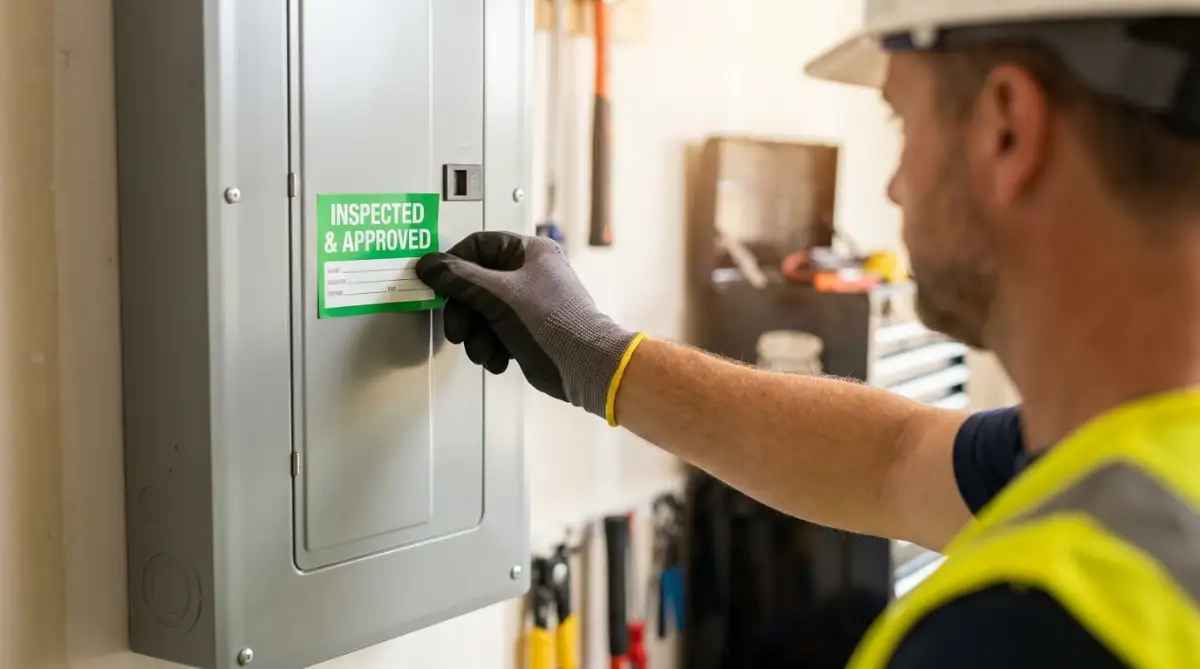
Many homeowners completely skip pulling a legal building permit to avoid paying the local city inspection fee. This choice feels like a smart financial win right up until an electrical fire ruins their entire garage. If the fire investigator discovers unpermitted, illegal wiring, your home insurance company has the legal right to completely deny your entire claim.
A licensed city inspector acts as your final safety net, verifying that your electrician used the correct wire thickness and safety breakers. Paying for an official inspection gives you the ultimate peace of mind when you sleep upstairs while your car charges downstairs.
Ignoring the Warning Signs of Overheating
Electrical systems will almost always give you subtle warning signs before they completely fail and catch fire. The problem is that most people simply ignore these tiny clues because the car is still technically charging. If you ever walk into your garage and smell a faint odor of hot plastic or old fish, you have a massive problem.
That weird fishy smell is actually the chemical scent of melting plastic wire insulation inside your walls. Another major red flag is if the physical charging cable or the wall breaker feels uncomfortably hot to the touch. Warm is perfectly normal during a heavy charge, but it should never be so hot that it burns your fingers.
If you notice your charging speeds suddenly dropping for no reason, your car might be sensing an overheating issue at the wall. Understanding what really happens when your EV dies on the road teaches you to never ignore your vehicle's early warning signs. Unplug the system immediately and call a certified professional if you ever notice excessive heat or strange burning smells.
Using Extension Cords for High-Voltage Charging
Sometimes, the perfect spot to park your car is just a few feet out of reach from your beautiful new charging station. The immediate human reaction is to grab a heavy-duty extension cord from the shed to bridge that annoying gap. Doing this with an electric vehicle is an absolute recipe for disaster.
Standard extension cords are fundamentally not designed to carry a massive 40-amp continuous load for eight hours straight. The extra length creates immense electrical resistance, which turns the entire cord into a giant, melting heating element. According to studies on residential electrical safety standards, daisy-chaining cords is a leading cause of accidental garage fires.
If your factory cable cannot reach your charging port comfortably, you have to physically move the charging station closer to the driveway. It might cost a bit more to run extra conduit along the wall, but it is the only correct way to solve the problem. Never use any kind of aftermarket extension cable between the wall box and your expensive vehicle.
Common Questions About Upgrading Your Garage Power
Do I really need to upgrade my entire electrical panel for an EV?
Not always. If you have a modern 200-amp panel, you likely have plenty of room for a dedicated 240-volt charging circuit. If you have an older 100-amp service, you might be able to use a smart load-sharing device instead of paying for a highly expensive full panel replacement.
How much does it typically cost to install a Level 2 charger at home?
The cost varies heavily based on how far your electrical panel is from your garage parking spot. On average, you can expect to pay anywhere from a few hundred to over a thousand dollars for professional labor and heavy copper wire. The actual charging unit itself usually costs an additional four to seven hundred dollars.
Can I leave my electric car plugged in every single night?
Yes, modern electric vehicles have incredibly smart battery management systems that automatically stop pulling power once the battery is full. Leaving it plugged in allows the car to safely pull small amounts of electricity from the wall to keep the battery perfectly warm during cold winter nights. Just like wondering why do electric vehicle tires wear out faster, it is all about understanding the unique physics of heavy modern cars.
What is the difference between a 40-amp and a 48-amp charger?
A 48-amp charger will fill your battery slightly faster than a 40-amp charger, but it requires much thicker, more expensive wiring from your panel. For most daily drivers who charge overnight, a 40-amp system provides more than enough speed to guarantee a completely full battery every single morning.
Your Roadmap to a Safe and Fully Charged Morning
Upgrading your home to support an electric vehicle is one of the smartest investments you can possibly make. It completely transforms your daily routine, removing the stress of crowded public charging stations and giving you ultimate control over your energy. While the technical details can feel slightly overwhelming at first, the actual path to success is incredibly straightforward.
Start by hiring a licensed electrician to perform a proper load calculation on your main breaker box. Let them tell you exactly how much spare power you have before you buy any expensive charging equipment online. Always prioritize thick copper wiring, certified safety brands, and hardwired connections for maximum peace of mind.
Once your system is built correctly, you will never have to worry about electrical fires or dead batteries again. You get to wake up every single morning with a perfectly full "tank" of energy, ready to take on the day completely uninterrupted.
I honestly used to stress over every single mile of range during my evening commute, terrified I would not make it home. My life completely changed the day I finally installed a proper, safe Level 2 system in my own garage. Take the time to get your home wired correctly right now, and I promise you will enjoy the smooth, quiet electric driving experience exactly the way it was meant to be.
Disclaimer: This article is for informational and educational purposes only. The electrical strategies and safety tips discussed are based on personal experience and general industry guidelines. Electrical work is extremely dangerous and should always be performed by a licensed, certified electrician strictly following your local building codes. We may earn a small commission if you click on certain external links, though this does not affect our editorial independence.